As environmental consciousness grows worldwide, individuals are increasingly seeking sustainable alternatives even in end-of-life practices. Green burials have emerged as a compelling option for those looking to minimize their ecological impact while honoring their loved ones. This article explores the environmental benefits of green burials compared to traditional burial methods, focusing on their respective carbon footprints and contributions to environmental conservation.
Understanding Traditional Burials
Traditional burials, deeply rooted in many cultures, typically involve embalming the deceased with chemicals to delay decomposition. The body is placed in a casket made of metal or hardwood, often enclosed within a concrete vault.
From an environmental perspective, traditional burials have notable impacts:
- Resource Intensity: The production of metal or hardwood caskets requires substantial resources, including raw materials, manufacturing energy, and transportation.
- Chemical Pollution: Embalming fluids, containing formaldehyde and other chemicals, can seep into the soil over time, potentially contaminating groundwater and affecting local ecosystems.
- Carbon Emissions: The manufacturing and transportation of caskets, vaults, and embalming fluids contribute significantly to carbon emissions. Additionally, the maintenance of manicured lawns and landscaping in traditional cemeteries requires fossil fuels for mowing, watering, and upkeep.
The Rise of Green Burials
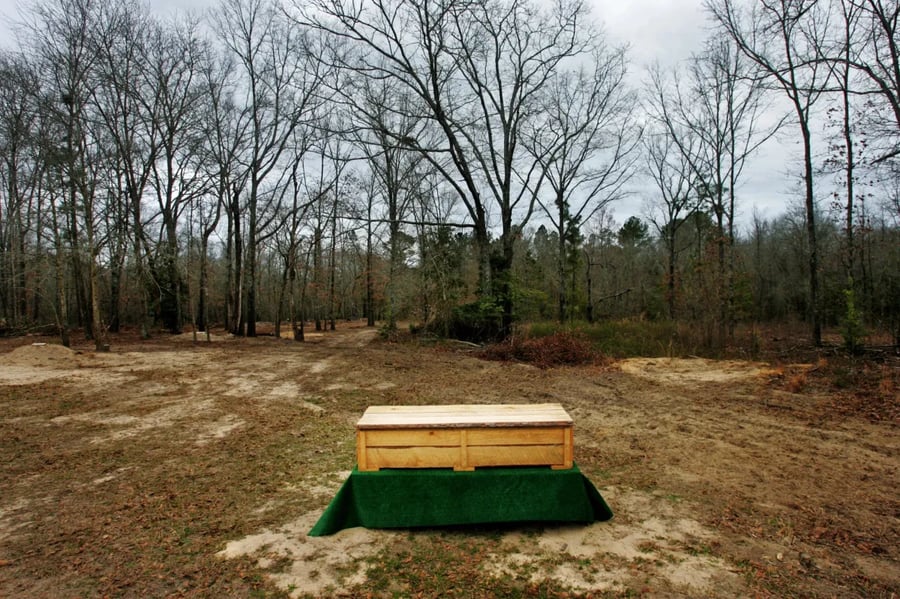
Green burials offer a more environmentally friendly approach to laying loved ones to rest. These burials prioritize natural decomposition and use biodegradable materials that minimize environmental impact. Key features include:
- Biodegradable Materials: Green burials utilize caskets made from natural materials such as wicker, bamboo, or untreated wood, which decompose naturally over time.
- Minimal Chemical Use: Green burials avoid or minimize the use of embalming chemicals. When necessary, natural, non-toxic alternatives are preferred to reduce environmental risks.
- Conservation and Restoration: Many green burials take place in natural burial grounds or conservation areas that prioritize biodiversity and ecosystem health. These locations minimize disturbance to natural habitats and support local flora and fauna.
Comparing Carbon Footprints
1. Materials and Manufacturing
Green Burials:
- Biodegradable caskets and shrouds have a significantly lower carbon footprint compared to metal or hardwood caskets.
- Natural materials used in green burials require less energy for manufacturing and transportation.
Traditional Burials:
- Metal and hardwood caskets, along with concrete vaults, require substantial resources and energy for production.
- The carbon footprint of traditional burial materials is higher due to intensive manufacturing processes and transportation.
2. Chemical Use and Pollution
Green Burials:
- Avoiding or minimizing embalming chemicals reduces the risk of soil contamination and groundwater pollution.
- Natural decomposition processes enrich soil health rather than introducing harmful substances.
Traditional Burials:
- Embalming fluids can leach into the soil over time, potentially impacting local ecosystems.
- Concrete vaults restrict natural decomposition and contribute to environmental degradation.
3. Land Use and Maintenance
Green Burials:
- Natural burial grounds often require less intensive maintenance, relying on natural landscaping and ecosystem management.
- Preserve natural landscapes and support biodiversity, enhancing local ecosystem services.
Traditional Burials:
- Traditional cemeteries require ongoing maintenance, including mowing, irrigation, and chemical treatments.
- Landscaping practices in traditional cemeteries may contribute to habitat loss and reduce ecological resilience.
The Role of Funeral Directors in Promoting Sustainability
Funeral directors play a pivotal role in guiding families towards sustainable choices, including green burials. They provide expertise in sourcing biodegradable caskets, arranging burial in certified green cemeteries, and ensuring practices align with sustainable principles. By educating families about environmental benefits and facilitating eco-friendly options, funeral directors contribute to reducing the overall carbon footprint associated with end-of-life services.
Conclusion
In conclusion, green burials offer a sustainable alternative to traditional burial practices, emphasizing natural decomposition, minimal chemical use, and conservation of natural resources. As awareness grows and environmental concerns drive consumer choices, green burials are becoming a preferred option for those seeking a lighter carbon footprint and a lasting contribution to environmental conservation.
Copyright © 2024 California Business Journal. All Rights Reserved.


