Menopause can cause nighttime itching due to dropping estrogen, which can lead to dry skin and inflammation. Cooling your environment, proper moisturizing, and targeted anti-itch treatments help.
Many people approaching menopause expect to get hot flashes and occasional changes in mood, but did you know that itchy skin at night can be another thing to contend with? It’s a surprise that catches many people out and can result in scratching, scratching and more scratching, making things worse and worse.
Nighttime itching during menopause tends to rear its head because hormonal changes can affect how your skin holds onto moisture and manages inflammation. Once you understand why, sorting it out gets a whole lot easier.
Itchy Skin at Night & The Part Hormones Play
When you reach menopause, your estrogen levels will usually drop, which in turn, lowers the amount of natural oil your skin produces. It also reduces your skin’s ability to hold onto moisture, which can make it thinner, and drier - hence the reason itchy skin at night comes into view.
At night, when you slip under the covers, it raises your body temperature slightly and increases blood flow to your skin, both of which make itching worse.
Hormones also affect histamine production - the chemical that triggers that annoying itch response. During menopause, histamine levels become erratic, causing random itching that seems to appear for no reason. Why do you notice it more at night? Because there's nothing else distracting you from the sensation.
Three Changes That Can Make a Big Difference
It’s not all bad news though, because there are things that you can do to tip the balance in your favor and give yourself some relief. Here are three great ways to get some peace.
- Keep your bedroom between 60-67°F, as it can help you avoid those hot flashes, and the skin warmth that precedes itching. Also, maybe try swapping bedding made from synthetics for cotton or bamboo as they let your skin breathe more easily.
- Don’t have hot showers before bed. That’s because they’re harsh enough to strip the natural oils your skin needs. Instead, if you’re going to shower before sleeping, try lukewarm water. Then pat yourself dry (don’t rub) and then apply a fragrance-free moisturizer while your skin is still damp to lock that moisture in.
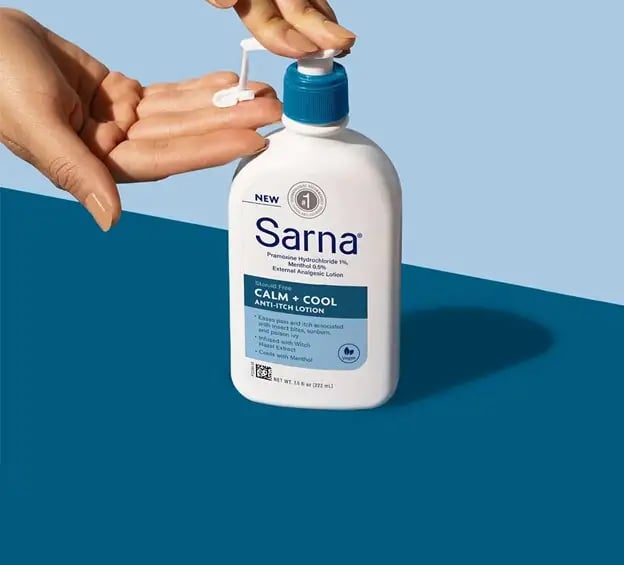
- Buy yourself a decent anti-itch lotion that can almost immediately put a stop to that urge to itch yourself. Look for one with pramoxine hydrochloride to quickly numb the surface and ingredients like aloe and jojoba oil to help support your skin.
Also, don’t forget about the other side of things i.e. putting things in the way, so you don’t make things worse by scratching. As such, you can do a lot by:
- Keeping your nails trimmed short to limit damage
- Wear thin cotton gloves to bed during bad phases - it sounds ridiculous but it helps some people while they sleep
Manage Itchy Skin at Night Long-Term With a Calming Lotion
Thankfully, nighttime itching linked with menopause doesn’t go on forever. Most find it improves once their hormones have leveled out, so it’s a matter of taking the urgency out of the times when itchiness happens. With a numbing, supporting lotion, that’s exactly what you can do in perhaps the gentlest possible way.
So, if it’s happening to you, we recommend getting this kind of product, as it will allow you to build your approach to nighttime relief around it.
Copyright © 2026 California Business Journal. All Rights Reserved.
For California Business Journal Disclaimers, go to /terms-conditions/.


