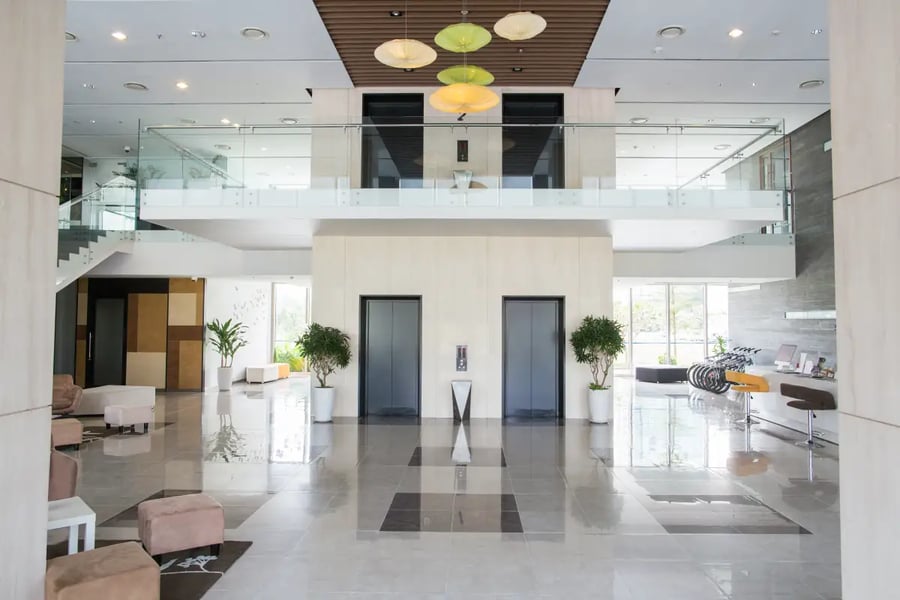
California has long been a global hub for innovation, from the tech corridors of Silicon Valley to the luxury real estate markets of Malibu and Bel Air. Today, a new trend is emerging at the intersection of these two worlds: the rapid integration of high-tech residential elevators. Once considered a niche luxury reserved for the ultra-wealthy, home elevators are becoming a strategic necessity for homeowners looking to "future-proof" their properties amidst a shifting demographic landscape.
As the "Silver Tsunami" approaches—with the California Department of Aging projecting that the state’s 60-and-over population will grow by 166 percent by 2060—the demand for accessible living solutions is skyrocketing. This shift is not just about mobility; it is a fundamental change in how we perceive the long-term value and functionality of the American home.
The Economic Shift Toward Aging in Place
The concept of aging in place has evolved from a sentimental preference to a sound financial strategy. For many Californians, the costs associated with assisted living facilities or nursing homes are staggering, often outpacing the monthly expenses of maintaining a private residence. Consequently, homeowners are increasingly investing in renovations that allow them to remain in their multi-story homes indefinitely.
From a real estate perspective, accessibility is no longer a deterrent to resale; it is a selling point. Modern homebuyers are looking for "forever homes" that can accommodate multi-generational living or their own future needs. By installing an elevator, a homeowner effectively removes the "stairs barrier," making a two- or three-story property accessible to everyone from young parents with strollers to elderly grandparents.
Engineering Independence: Technology Meets Design
The traditional image of a home elevator—a clunky, hydraulic cage that requires a deep pit and a massive machine room—is a thing of the past. Today’s market is dominated by "shaftless" and vacuum-driven models that prioritize aesthetics and space efficiency. These modern units can be tucked into the corner of a room, the center of a winding staircase, or even a closet.
Safety and Accessibility for a New Generation
For many families, the primary driver is safety. Falls remain a leading cause of injury among older adults, and staircases are the most common site of such accidents. Integrating a home elevator for seniors provides more than just convenience; it provides a reliable safety net that preserves independence.
Unlike stairlifts, which can be cumbersome and often require a person to transfer out of a wheelchair, a full residential elevator allows for seamless movement between floors. This level of autonomy is crucial for mental well-being, as it ensures that no part of the home becomes "off-limits" as a resident ages.
Market Trends and Investment Value
The global residential elevator market is experiencing a significant compound annual growth rate. According to market analysis reports, the surge is driven by increasing disposable income and a growing awareness of home medical care. In California’s competitive real estate market, these installations often provide a high return on investment (ROI).
Appraisers are increasingly recognizing that accessibility features expand the pool of potential buyers. When a home is equipped with a high-end elevator, it appeals to a demographic that might otherwise have bypassed a multi-story home due to mobility concerns. This "universal design" approach is becoming a hallmark of modern luxury construction in cities like San Francisco and Los Angeles.
The Intersection of Luxury and Utility
What makes the current trend particularly interesting to the California business community is the marriage of utility and high-end design. We are seeing a move toward smart home technology being integrated into these systems. Modern elevators can be summoned via smartphone apps, feature LED touchscreens, and include battery backup systems that ensure operation even during California’s periodic power outages or "Public Safety Power Shutoffs."
Furthermore, the architectural impact is significant. Architects are now using elevators as centerpieces—glass-walled cylinders that offer panoramic views of the coast or the city skyline as the passenger ascends. This transforms a functional mobility tool into a piece of kinetic art, further driving up the property's prestige.
Regulatory Landscape and Installation
While the benefits are clear, the process of bringing an elevator into a home involves navigating local building codes and safety regulations. In California, these installations must adhere to specific standards to ensure seismic safety and fire protection. Working with reputable manufacturers who understand the local regulatory environment is essential for a seamless integration.
Fortunately, the "shaftless" revolution has simplified the installation process. Many modern units require minimal structural changes, meaning they can be retrofitted into existing homes in a matter of days rather than weeks. This reduction in construction friction has made the technology accessible to a much wider range of homeowners beyond the ultra-luxury tier.
A New Standard for the California Home
As we look toward the future of California real estate, the trend is clear: accessibility is the new luxury. The integration of residential elevators represents a proactive approach to one of the greatest demographic shifts of our time. By embracing these technologies, homeowners are not just making their lives easier today; they are ensuring their homes remain viable, valuable, and safe for decades to come.
Whether driven by the necessity of providing a home elevator for the seniors or the desire to increase a property’s market value, the rise of the residential lift is a testament to how innovation can improve the quality of life at every age. In the Golden State, the move toward vertical mobility is no longer just an uphill climb—it’s a smooth, high-tech ride to the top.
Copyright © 2026 California Business Journal. All Rights Reserved.
For California Business Journal Disclaimers, go to /terms-conditions/.


