
In an era where many institutions face scrutiny and decline, the modern church finds itself at a complex crossroads. Questions of relevance, internal dynamics, and external pressures are more pressing than ever. Into this fraught conversation steps a unique voice: not a career theologian, but a builder.
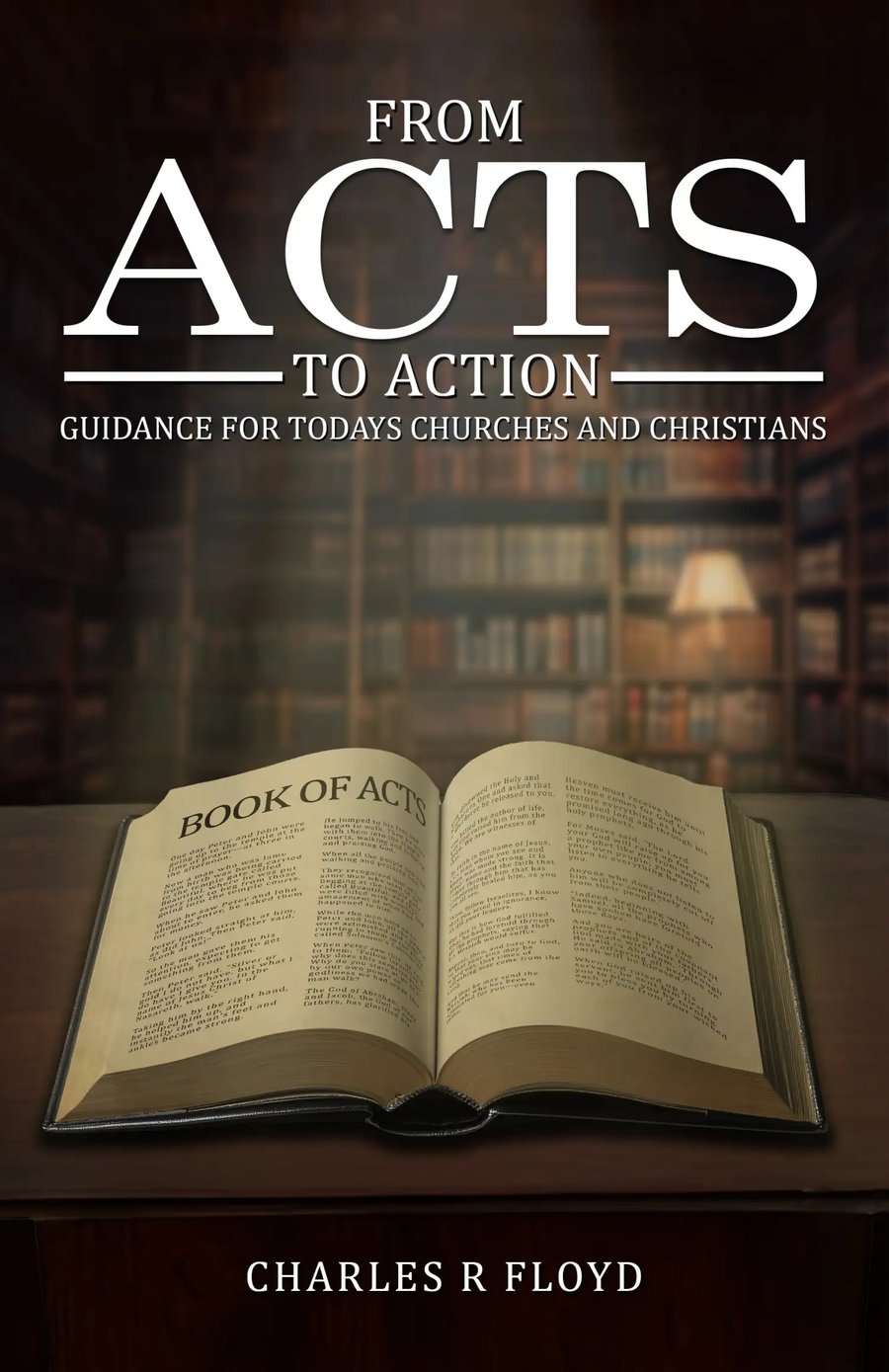
Charles R. Floyd, a Navy veteran, attorney, and former construction project manager who dedicated 25 years to building church campuses, now offers a different kind of blueprint in his new book, From Acts to Action: Guidance for Today's Churches and Christians.
The Author's Blueprint: A Tapestry of Discipline, Law, and Faith
Floyd's diverse background is the first clue that this is not a typical theological treatise. A University of Tennessee alumnus with an MBA, Juris Doctorate, and Biblical Studies degree, his work is a tapestry of hands-on, educational, and religious endeavors. His service during the Cuban Blockade and the Vietnam War informs a well-disciplined perspective, and his many years overseeing the intricacies of church building projects provide him with a unique, frontline understanding of the organizational and spiritual issues that face congregations. This distinctive blending of experience is the foundation upon which From Acts to Action is constructed.
Deconstructing Growth: A Two-Part Framework
The manuscript itself is a deep, methodical dive into the Book of Acts, reframing it as a timeless case study in organizational resilience and spiritual vitality. Floyd structures his work around a compelling central thesis: the growth of the early church was propelled by two distinct categories of forces, Internal and External.
The “Internal Forces” section examines moments of organic growth and development within the early Christian community. Floyd analyzes scenes like the radical generosity and communal devotion following Pentecost (Acts 2:41-47) and the strategic mentorship of young leaders like Timothy (Acts 16:1-5). Here, Floyd the builder emerges, analyzing the architectural integrity of the church’s foundation: teaching, fellowship, prayer, and disciplined leadership development. His application is pointed: a church preoccupied with programs over prayer, or facilities over fellowship, has misplaced its cornerstone.
Conversely, the "External Forces" section explores how opposition and persecution, though painful, ultimately served to scatter believers and spread the gospel further than ever imagined. Floyd dissects episodes such as the apostolic defiance before the Sanhedrin (Acts 4:13-22) and the severe persecution that erupted after Stephen's martyrdom (Acts 8:1-8). With a clear-eyed realism shaped by his legal and military background, Floyd does not shy away from the reality of conflict. Instead, he argues that a church that expects and prepares for external pressure, whether from governmental bodies or shifting cultural norms, is a church that is reading its history correctly.
Bridging the Centuries: From Ancient Text to Modern Application
What makes Floyd’s work particularly enlightening is his translator’s mindset. He seamlessly bridges the first-century context and the twenty-first-century reality. When discussing the early church’s lack of buildings and assets, he notes, “Our reliance on God is truly what He favors.” This observation comes not from an idealist but from a man who has seen the immense financial and administrative burdens a physical campus can impose. His writing is filled with these practical insights, asking readers to consider whether their structures serve the mission or have become the mission itself.
Furthermore, Floyd’s personal voice adds a layer of relatable authenticity. He candidly shares his own spiritual journey, from a young engineer solving problems he attributes to the “Comforter—The Holy Spirit” to a quieter, steadier faith today. This testimony grounds the biblical exegesis, reminding the reader that these are not just historical events but principles that actively shape a life.
A Field Manual for Contemporary Faith
While the book is thoroughly researched, citing scholarly commentaries and historical sources, its ultimate strength is its pastoral heart. Floyd is less concerned with academic debate and more focused on actionable guidance. Each chapter concludes with direct “Application to the Church” and “Application to the Individual” sections, transforming ancient narratives into modern-day playbooks for congregational leaders and everyday believers alike.
From Acts to Action arrives at a critical time. It is a field manual for a church navigating a post-pandemic world, cultural shifts, and internal complacency. Floyd, the builder, has provided a compelling inspection report on the church's foundation and a constructive guide for its necessary, ongoing renovation. His work argues that the same forces that grew the church 2,000 years ago, a robust internal core and a resilient response to external pressure, are still the only forces that will sustain it today.


