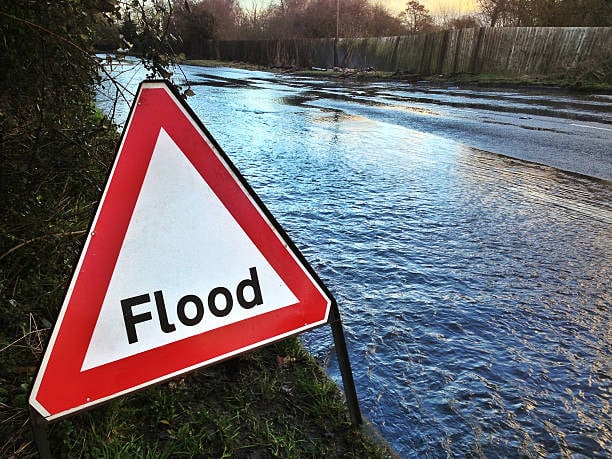
Floods can happen without warning, and the damage can be overwhelming. Heavy rain, storm surges, or rapid snowmelt can lead to water invading your home or business.
Standard insurance policies usually don't cover flood damage, leaving property owners vulnerable to major costs. Flood insurance helps cover the financial burden when water damage strikes.
To stay secure and prepared, consider if flood insurance is right for your area and situation. Learn what it covers, how it works, and why you may need it by exploring the sections below. Read on.
Coverage for Building Structure
Flood insurance typically covers the physical structure of your home. This includes the foundation, electrical systems, plumbing, and major appliances. Built-in features like carpeting and paneling are also included.
If a flood damages these areas, the policy helps pay for repair or replacement. This type of coverage is key for homeowners living near rivers, coasts, or low-lying zones. It helps protect your property with California flood insurance in areas prone to sudden flooding events.
Coverage for Personal Belongings
Personal property coverage includes items like furniture, electronics, and clothing. If these items are damaged due to flooding, flood insurance can help replace them.
Certain limits may apply, especially to valuables like artwork or jewelry. Storing expensive belongings in elevated or safe zones helps minimize risk. Review the details of what is and isn't included in personal property coverage. Knowing this helps prevent surprises when filing a claim.
Differences from Homeowners Insurance
Many people assume homeowners insurance covers flood damage, but it does not. This is a common mistake that leads to costly losses after floods. Homeowners insurance may cover water damage from plumbing, but not from natural flooding.
Flood insurance is a separate policy and needs to be purchased on its own. Understanding the difference helps ensure you're fully protected. Don't wait until it's too late to find out you're underinsured.
When Flood Insurance Is Required
Flood insurance is often required if you live in a high-risk flood zone. Lenders may make it a condition of your mortgage if your home falls within these areas. Even if it's not required, many choose to get it as an added safety net.
Flood risks aren't limited to coastal areas; they can affect urban and inland zones too. Flood maps can change, which may affect whether you're in a risk zone or not. It's smart to review your area's flood risk regularly.
Costs and Policy Limits
The cost of flood insurance depends on factors like location, property value, and risk level. Premiums can vary widely between low-risk and high-risk areas.
Policy limits define the maximum amount you'll be paid in a claim. It's important to know both the building and contents limits before buying.
Filing a claim starts with notifying your insurer immediately after a flood. Take photos and document all damage before removing anything. Save receipts for emergency repairs and cleanup costs.
An adjuster will visit to inspect the damage and verify your claim. Keep communication clear and organized to speed up the process.
Consider Investing in Flood Insurance
Flood insurance is a smart move for those living in flood-prone or uncertain areas. It fills a major gap in standard coverage and gives peace of mind during extreme weather.
With rising climate risks, having a dedicated policy could save thousands. Review your location's risk level and assess your property's needs.
Don't assume your current coverage is enough. Taking action before a flood happens is the best way to stay prepared.
There's more to read. Check out the blog.
Copyright © 2025 California Business Journal. All Rights Reserved.
For California Business Journal Disclaimers, go to /terms-conditions/.


