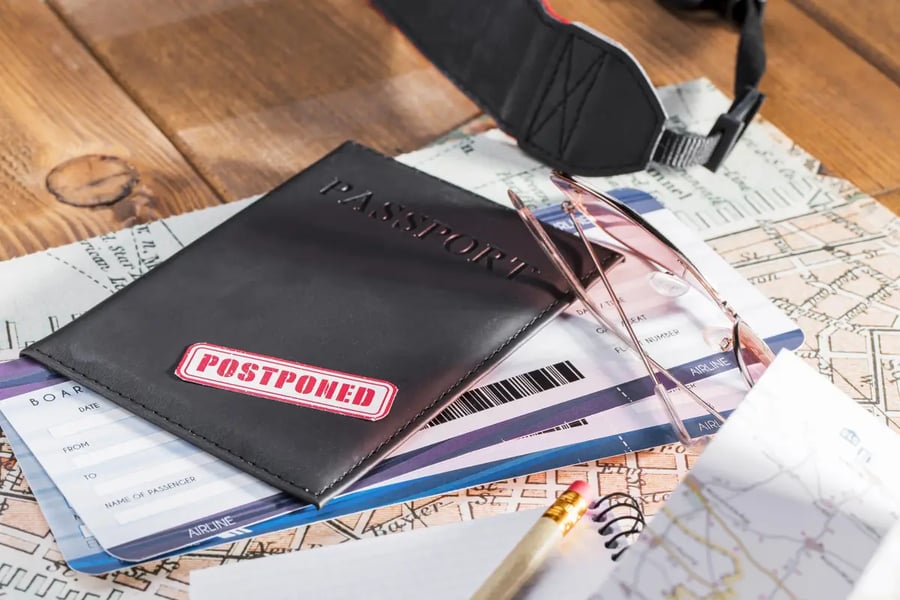
Losing a passport abroad can quickly turn a normal trip into a stressful logistical problem. For many travelers, the immediate concern is simple: how do you get home without your passport?
In situations involving theft, loss, damage, or urgent travel complications, an emergency passport or emergency travel document may help travelers continue their journey or return to their home country. Understanding how these documents work — and what limitations they may carry — can make a difficult situation easier to manage.
Resources such as My Passport Hub can help travelers better understand passport-related preparation steps, while official government authorities remain responsible for issuing emergency travel documents and determining eligibility.
What Is an Emergency Passport?
An emergency passport is a temporary travel document issued under urgent circumstances when a traveler cannot use their regular passport. In the United States, these documents are generally issued by U.S. embassies or consulates abroad when a citizen has lost a passport, had it stolen, suffered damage to the document, or faces another qualifying emergency.
The purpose of an emergency passport is usually limited: helping a traveler continue urgent travel or return home safely when waiting for a standard passport is not realistic.
Emergency passports are not unique to the United States. Many countries issue similar temporary travel documents for citizens abroad who face unexpected travel disruptions.
For U.S. travelers, official information is available through the Department of State’s guidance on lost or stolen passports abroad.
Situations Where Travelers May Need One
Emergency passports are typically associated with unexpected travel problems rather than routine passport renewals.
Common situations include:
- A passport is stolen during a trip
- A passport is lost in transit
- A document is severely damaged
- A traveler experiences an urgent medical or family emergency
- A passport becomes inaccessible before an international flight
- A traveler discovers an expired passport while already abroad
In some cases, travelers may also require emergency documentation after natural disasters, political instability, or transportation disruptions that make normal processing impossible within the available timeframe.
The key factor is urgency. Travelers applying for emergency documentation usually need to demonstrate why immediate travel is necessary.
What Documents Are Usually Required?
Requirements can vary by country, embassy, and individual situation, but travelers are often asked to provide as much identification and supporting documentation as possible.
Commonly requested items may include:
- A completed passport application form
- Proof of citizenship
- Government-issued photo identification
- Passport photos
- Travel itinerary or proof of urgent travel
- Police report if the passport was stolen
- Evidence explaining the emergency circumstances
- Payment of applicable fees
Even travelers who no longer have physical identification may still be able to proceed if they can provide enough supporting information for officials to verify identity and citizenship.
This is why many travel experts recommend carrying secure digital copies of important documents before leaving home. Copies of passports, identification cards, and travel itineraries can help simplify replacement procedures during emergencies.
Where Travelers Apply for Emergency Passports
For U.S. citizens abroad, emergency passports are generally issued through embassies or consulates. Travelers can locate the nearest facility using the State Department’s directory of U.S. embassies and consulates.
The exact process depends on local conditions and the severity of the situation. Some embassies may offer same-day emergency passport issuance in urgent cases, while others may require appointments or additional verification.
Travelers should contact the embassy directly before appearing in person whenever possible. Embassy staff can explain local procedures, required documents, office hours, and expected processing times.
Understanding the Limitations of Emergency Passports
One of the most important things travelers should understand is that emergency passports may not function exactly like standard passports.
Depending on the circumstances, emergency passports can carry limitations related to:
Validity Period
Emergency passports are often issued with shorter validity periods than regular passports. Some may only remain valid long enough to complete immediate travel plans.
Visa Compatibility
Existing visas inside a lost or stolen passport do not automatically transfer to a replacement document. Travelers may need to contact the embassy or immigration authority of the country that issued the visa.
Some countries may allow travelers to carry both the emergency passport and records connected to the original visa, while others may require a completely new visa application.
Entry Restrictions
Not all countries accept emergency travel documents in the same way. Some countries may limit entry, require additional approvals, or refuse visa-free access when travelers present temporary documents.
This becomes especially important during multi-country trips or international layovers.
Airline Boarding Policies
Airlines may request additional verification before boarding passengers traveling with emergency documents. Even if a government issues an emergency passport, airline staff may still need to confirm destination entry requirements and transit eligibility.
Travelers should contact both the airline and the relevant embassy before departure to avoid unexpected boarding issues.
How Travelers Can Prepare Before Problems Happen
Although emergency passports exist for urgent situations, preparation before departure can significantly reduce stress if something goes wrong abroad.
Travelers may benefit from:
- Saving secure digital copies of passports and IDs
- Keeping emergency contact information separate from wallets
- Carrying backup payment methods
- Researching embassy locations before departure
- Reviewing destination-specific entry rules
- Monitoring passport expiration dates carefully
The State Department’s international travel resources can also help travelers understand country-specific requirements and travel advisories before departure.
Final Thoughts
An emergency passport can provide a critical solution for travelers facing one of the most disruptive problems abroad: losing access to their primary travel document. While these temporary documents may help travelers continue their journey or return home, they also come with practical limitations that travelers should understand before crossing borders or boarding flights.
Knowing where to go, what documents to gather, and how emergency travel documents work can make an already stressful experience far more manageable. Travelers who prepare ahead of time, use official government guidance, and stay organized are often better positioned to navigate passport emergencies with less confusion and fewer delays.
Copyright © 2026 California Business Journal. All Rights Reserved.
For California Business Journal Disclaimers, go to /terms-conditions/.


