You’re weighing your options for maintaining power during outages and wondering if a whole house generator is necessary. Power loss can disrupt your daily life, especially if it occurs frequently or during severe weather. With the abundance of choices now available, from traditional generators to modern battery solutions, it’s important to understand what fits your home’s needs best. Explore how whole house generators work, evaluate their benefits and costs, and compare them to advanced battery backups like the Anker SOLIX E10 module to make an informed decision. By examining real-world usage scenarios, installation considerations, and long-term reliability, homeowners can better determine whether investing in a permanent backup power solution is the right move for their household’s comfort and safety.
What Is a Whole House Generator?
How It Powers Your Entire Home
Whole house generators are integrated into your home’s electrical setup, allowing them to power all major systems and appliances. Once a power outage is detected, the generator’s automatic transfer switch turns it on, quickly restoring electricity. This capability means that during a blackout, you can rely on uninterrupted power for essential functions, maintaining normalcy and safety within the home. Because the system connects directly to your electrical panel, it distributes power evenly across circuits, allowing lighting, kitchen appliances, heating systems, and security devices to continue working as if the grid were still active.
Whole House vs Portable Generators
Portable generators offer flexibility as they can be moved to different locations and generally run on gasoline. However, they require manual setup and connection to specific appliances, typically through extension cords. Whole house generators, in contrast, are fixed installations that provide power automatically, without needing manual intervention, and can handle larger electrical loads to support multiple household functionalities simultaneously. They are usually powered by natural gas or propane lines and are designed for long-term reliability, offering safer operation and consistent performance during extended outages.
When Does a Home Really Need One?
Frequent Power Outages and Severe Weather
Homes in areas prone to constant power outages or harsh weather conditions like hurricanes, tornadoes, or severe snow storms gain significant advantage from whole house generators. These generators provide resilience in adverse conditions, ensuring your home’s essential systems remain operational, protecting from loss or damage due to lack of power. In addition, maintaining electricity during extreme weather helps keep heating systems active in winter, air conditioning functioning during heat waves, and communication systems available for emergency updates.
Homes With High or Critical Power Needs
If your residence includes medical equipment that demands continuous electricity, or if your lifestyle depends heavily on uninterrupted power—be it for work or security systems—a whole house generator is a critical investment. It ensures that even in the toughest situations, your home maintains consistent power flow, safeguarding health and safety. Home offices, remote work environments, smart home automation systems, and refrigerated medications are additional examples of situations where dependable backup power becomes essential rather than optional.
Whole House Generators vs Modern Battery Backup
Traditional Generators vs Smart Backup Systems
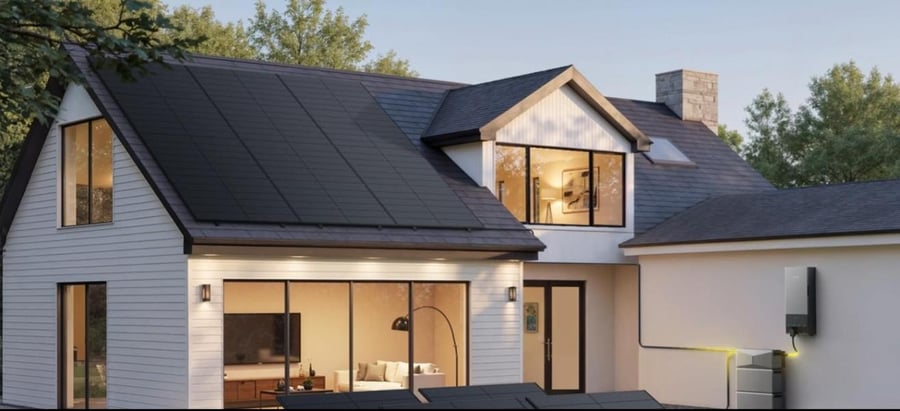
Traditional generators offer proven reliability, operating on fuel sources like propane or natural gas to generate power. However, smart backup systems, like the Anker SOLIX E10, utilize advanced battery technology and can manage power distribution seamlessly. With split-phase 120/240 VAC output and robust capacity, these systems provide significant power during outages without the noise and emissions associated with conventional generators. Many also integrate with solar panels, enabling renewable energy storage and reducing long-term fuel dependency for homeowners seeking sustainable backup power solutions.
Whole-Home Power Solutions Like Anker SOLIX
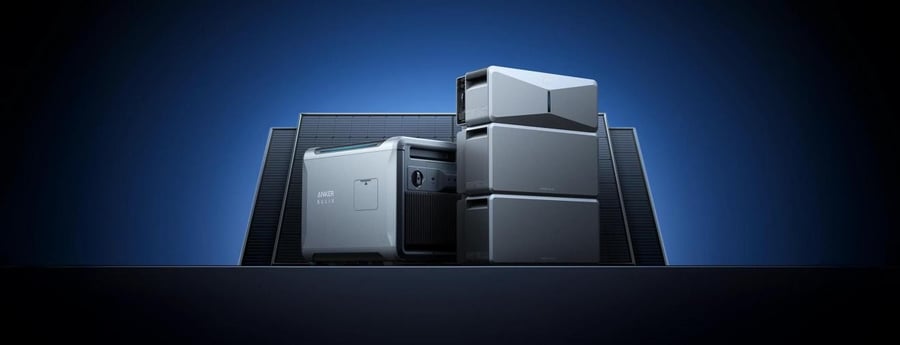
Anker SOLIX E10 stands out with features such as 10,000W continuous power output and up to 30 kWh total capacity. It connects via Wi-Fi and Bluetooth, allowing convenient monitoring and management, all while maintaining operation through extreme temperatures. The modular design supports floor or wall mounting, offering flexibility in installation, and can operate multiple inverters for extensive power coverage, making it an ideal solution for modern homes needing comprehensive energy security. Its expandable architecture also allows homeowners to scale storage capacity over time as energy demands grow.
Conclusion
Choosing a whole house generator involves assessing power needs, budget, and potential alternatives. For homes experiencing frequent power interruption or requiring persistent electricity, they offer peace of mind and resilience. Meanwhile, modern battery backups like Anker SOLIX provide environmentally friendly and efficient power solutions. Weighing the pros and cons of each helps you decide what’s best, ensuring your home remains powered in any scenario. Carefully considering installation costs, maintenance requirements, fuel availability, and future energy demands will help you select a system that supports your household reliably for many years.


