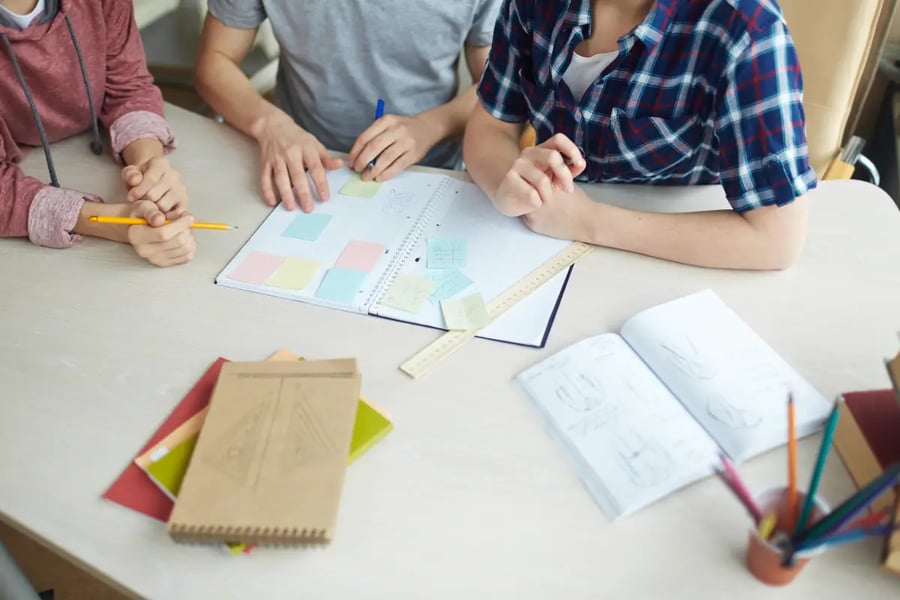
Today’s classrooms reflect unprecedented diversity in student backgrounds, abilities, interests, and learning needs. One-size-fits-all instruction fails to serve this heterogeneous population effectively, leaving some students unchallenged while others struggle to keep pace. Differentiated instruction offers a framework for addressing diverse needs within single classrooms, ensuring all students access appropriately challenging learning experiences. This approach requires teachers to thoughtfully vary content, process, products, and learning environments based on student readiness, interests, and learning profiles. While demanding significant planning and flexibility, differentiation enables educators to honor each student’s unique starting point while maintaining high expectations for all. Modern tech tools increasingly support differentiation efforts, though skilled teaching remains central to effective implementation.
Understanding Differentiation Fundamentals
Differentiation rests on several core principles. First, teachers proactively plan varied approaches rather than reactively responding when students struggle. Second, differentiation addresses readiness (current skill level), interest (topics that engage students), and learning profile (preferred ways of learning). Third, teachers can differentiate content (what students learn), process (how they learn), product (how they demonstrate learning), or environment (where and with whom they learn). Fourth, all students work toward essential learning goals, though paths and pacing may vary. Fifth, flexible grouping allows students to work in various configurations rather than remaining in fixed ability groups. Effective differentiation maintains rigor for all students, providing appropriate challenge rather than watering down curriculum for struggling learners. This approach requires deep content knowledge, understanding of learning progressions, and skill in assessment and instructional design.
Assessing Student Readiness and Needs
Differentiation depends on accurate understanding of student starting points and ongoing progress. Pre-assessments reveal existing knowledge, preventing boredom from redundant instruction or confusion from assuming prerequisite skills students lack. Formative assessments throughout units provide real-time information about who needs additional support, who’s ready to advance, and what misconceptions require addressing. Learning inventories help teachers understand student interests and preferred learning modalities. Conversations with students and families provide insights into strengths, challenges, and circumstances affecting learning. Technology platforms with adaptive algorithms can automatically adjust difficulty based on student performance, though human judgment remains essential for holistic understanding. Ongoing assessment allows responsive teaching that meets students where they are rather than where curriculum guides assume they should be.
Strategies for Differentiating Content and Process
Teachers can differentiate content by varying complexity, providing multiple resources at different reading levels, or allowing students to explore different aspects of broader topics. Tiered assignments address the same learning objectives at varying levels of complexity, abstraction, or independence. Learning stations allow students to rotate through activities targeting different skills or modalities. Flexible grouping enables targeted instruction for students with similar needs while avoiding stigmatization of fixed ability groups. Compacting allows students who demonstrate mastery to skip redundant practice and pursue enrichment. Differentiated process might include varying scaffolding levels, offering choice in learning activities, or adjusting pacing. Tech resources like adaptive software, digital libraries with varied reading levels, and multimedia content support content differentiation. However, technology supplements rather than replaces thoughtful instructional design by skilled educators.
Differentiating Products and Assessment
Allowing students to demonstrate learning through varied products honors diverse strengths while maintaining rigorous expectations. Some students might write essays while others create presentations, videos, or artistic representations of understanding. Choice boards present multiple options for demonstrating mastery, allowing students to select formats aligned with their interests and strengths. Rubrics ensure all options require equivalent depth and quality regardless of format. Differentiated assessment might include varied question formats, extended time, or alternative testing environments. Performance-based assessments often better capture learning than traditional tests, particularly for students with test anxiety or language barriers. Digital portfolios enable students to curate diverse evidence of learning over time. While differentiated products increase grading complexity, they provide more authentic evidence of student understanding and engagement.
Conclusion
Differentiated instruction represents a commitment to educational equity, ensuring all students receive appropriately challenging learning experiences regardless of starting point. By assessing student needs, varying content and process, and allowing diverse demonstration of learning, teachers can effectively serve heterogeneous classrooms. This approach requires significant skill, planning, and flexibility but yields substantial benefits in student achievement and engagement. As classrooms grow increasingly diverse, differentiation will remain essential to fulfilling education’s promise of developing every student’s potential. The goal is not identical instruction but equivalent opportunity for growth and success.
Copyright © 2026 California Business Journal. All Rights Reserved.
For California Business Journal Disclaimers, go to /terms-conditions/.


