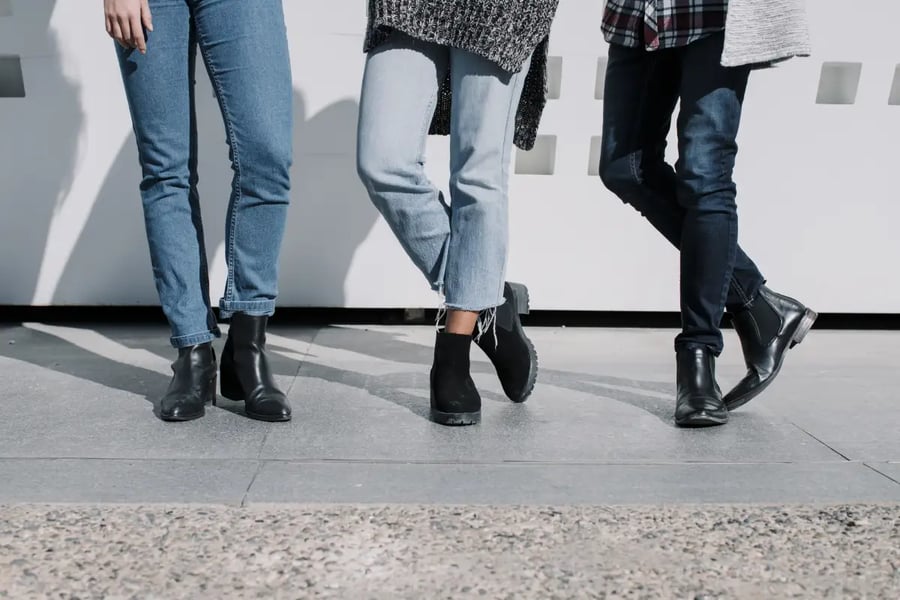
Daily footwear choices shape comfort, appearance, and how smoothly a day runs. Work schedules, commuting patterns, and time spent standing or walking place different demands on shoes. Construction details like leather quality, sole design, and profile height determine how well a pair supports long wear while still aligning with tailored clothing and professional expectations across varied environments.
An intentional shoe rotation removes guesswork and reduces unnecessary wear. Assigning a clear role to each shoe type keeps support consistent and extends service life. Organizing footwear by daily demands helps match comfort and presentation to actual use, making it easier to maintain a polished look while protecting structure during repeated weekly wear cycles.
Italian Dress Sneakers
A polished appearance paired with everyday comfort defines Italian dress sneakers, supported by full-grain leather uppers, padded footbeds, and restrained sole height. Clean paneling, subtle stitching, and controlled proportions allow easy pairing with tailored trousers, wool slacks, or structured chinos. Supportive cushioning and moderate arch design accommodate extended wear while maintaining visual order and a refined profile suitable for professional settings.
These sneakers function as a reliable option for mixed professional days that include meetings, commuting, and long periods on foot. Neutral colors simplify outfit coordination and reduce the need for frequent changes.
Classic Leather Oxfords
Closed lacing and a low vamp create the oxford's compact profile, signaling formality without excess detailing. Full-grain leather soles and a firm shank prioritize a crisp silhouette and edge definition over bendable comfort. These design choices make the shoe appropriate for meetings and ceremonies where a sharp presentation outweighs flexible support. Limiting wear to designated formal days preserves the leather's shape and the sole's heel block; frequent casual use will accelerate creasing and sole compression.
Minimal Casual Sneakers
Minimal casual sneakers are defined by a restrained look that feels intentional rather than technical. A slim silhouette and simplified construction keep the design understated and adaptable. Matte leather or refined canvas maintains a controlled surface, while narrow toe shapes limit visual bulk. Subtle stitching and straightforward lacing allow easy pairing with chinos, lightweight denim, or relaxed tailoring.
Comfort suits lighter schedules instead of long walking days or uneven ground. Reduced cushioning and thinner soles place limits on extended wear, making rotation a practical choice. Alternating with a more supportive pair helps preserve shape and sole structure.
Loafers and Slip-Ons
Slip-on construction and a low heel let loafers move from desk to transit with minimal fuss. Proper throat depth and a snug heel counter keep the shoe aligned with tailored trousers or a semi-structured blazer while allowing quick on-off. Unlined or lightly lined interiors improve breathability on long days and reduce break-in time. Sole material and heel geometry decide if a slip-on stays a practical day shoe or becomes an irritation. Firm rubber with a stacked heel adds traction and stability without bulk.
Athletic Trainers
Athletic trainers prioritize movement through engineered midsoles, reinforced heel counters, and traction-focused outsoles. Foam density, heel structure, and tread patterns are designed to absorb impact and stabilize motion during walking, training, or travel-heavy days.
Keeping trainers dedicated to active use preserves cushioning responsiveness and prevents premature breakdown. Replacement should follow visible wear or reduced rebound rather than appearance alone. Limiting trainers to movement-focused days maintains comfort standards while keeping the rest of the shoe rotation visually aligned and structurally intact.
Well-defined shoe roles make everyday dressing easier and more dependable. Pairs last longer when worn for their intended use, covering office hours, lighter schedules, and active days. Reduced overlap limits wear, protects support, and keeps the appearance appropriate.
Copyright © 2026 California Business Journal. All Rights Reserved.
For California Business Journal Disclaimers, go to /terms-conditions/.


