When Rabbi Daniel Sayani accepted the position at Clearview Jewish Center in August 2021, he inherited an institution with deep roots and complex challenges. The synagogue was founded in 1952 by Holocaust survivors who settled in Whitestone, Queens, and wanted a place to pray, mourn their losses and rebuild their families. For decades it served as the center of a tight-knit community.
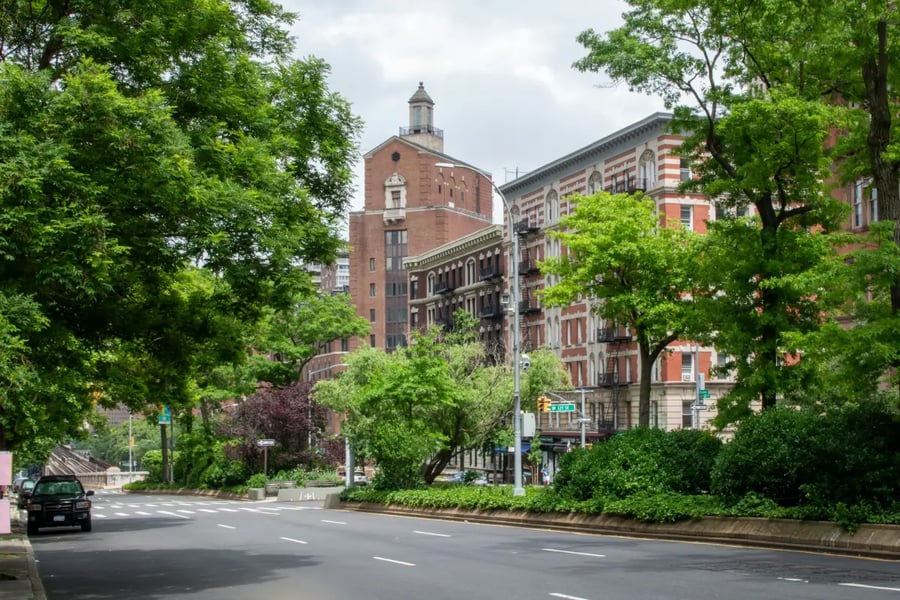
But by the time Sayani arrived, the neighborhood had changed significantly. Many younger families had moved to suburbs in Long Island or New Jersey. The surrounding blocks now reflected Queens' remarkable diversity, with residents from dozens of countries and linguistic backgrounds. The synagogue's membership had aged, and attendance at programs had declined.
The board asked Sayani to help chart a course that would honor the synagogue's history while making it relevant to a new era. It was a delicate assignment. Long-time members were fiercely protective of the institution their parents and grandparents had built. Any changes would need to be explained carefully and implemented gradually.
Sayani began with listening. Over his first six months he conducted dozens of one-on-one meetings with board members, regular attendees, occasional visitors and neighbors who had never set foot inside the building. He asked each person the same questions. What has this synagogue meant to you? What do you need it to be in the next ten years? What would make you feel excited to walk through these doors?
The answers revealed both shared values and practical concerns. People wanted a welcoming space that felt cared for. They wanted programs that addressed real needs rather than simply repeating familiar patterns. They wanted to know the institution would still be standing for their grandchildren.
Strategic Changes While Preserving Identity
Armed with those insights, Sayani worked with lay leaders to develop a plan that balanced continuity and innovation. They started with visible improvements to the physical space. The sanctuary lighting was upgraded to make the room brighter and more inviting. Faded signs were replaced with clear, professionally designed ones. Cluttered storage areas were reorganized, freeing up space for new uses.
"People notice when a building feels cared for," Sayani said. "If the paint is peeling and the bathrooms are outdated, it sends a message that this institution is in decline. We wanted to send the opposite message."
The synagogue also re-examined its program schedule. Some under-attended weekday offerings were consolidated or discontinued. New programs were added on topics such as caregiving, financial planning for retirees, and the history of Jewish life in Queens. Sayani encouraged board members to think about what would attract neighbors who were curious but had never felt comfortable entering a synagogue.
He emphasizes that the pace of change matters as much as the substance. "If you treat a legacy institution like a startup and try to reinvent everything overnight, you lose the trust of the people who kept it alive," he said. "Change has to be explained, tested and adjusted based on feedback."
At the same time, Sayani introduced practices common in professionally managed organizations. The board began tracking metrics such as membership renewal rates, program attendance and volunteer hours. Monthly financial reports became more detailed and transparent. The synagogue hired a part-time bookkeeper to ensure accurate records and timely bill payment.
These changes were not universally popular at first. Some long-time members felt that introducing business practices into a religious institution was inappropriate. Sayani responded by emphasizing that transparency and accountability serve spiritual values. "When people know where their donations go and see that the building is well maintained, they feel confident investing in the future," he said.
Engaging the Broader Community
Recognizing that many Whitestone residents might never attend a religious service but could still benefit from the synagogue's presence, Sayani looked for ways to open the building for community events. The synagogue has hosted educational lectures on topics unrelated to religion, neighborhood association meetings, and cultural programs that highlight local artists and historians.
These events serve multiple purposes. They introduce the synagogue to people who might later seek pastoral services. They build goodwill with neighbors who appreciate having a well-maintained community space available for gatherings. And they create opportunities for members to meet people they might not encounter otherwise.
Business scholars have noted that houses of worship in urban environments increasingly function as hybrid institutions, blending religious mission with community services and event hosting. A 2025 analysis by the California Business Journal found that congregations with diversified revenue streams and active community engagement were more financially stable than those relying solely on membership dues.
Clearview Jewish Center has followed that model cautiously. The board recently invited a consultant to review financial projections and recommend strategies for long-term sustainability. Options under consideration include establishing an endowment, expanding rental income from event hosting, and creating partnerships with social service organizations that need space for programs.
Sayani supports these efforts but insists they must align with the synagogue's core purpose. "We are not a banquet hall that happens to have a Torah," he said. "Everything we do has to serve our mission of providing spiritual leadership and community support. But within that framework, there is room for creativity."
As Clearview Jewish Center enters its eighth decade, Sayani expresses cautious optimism about its future. Membership has stabilized, and some younger families have joined. The building is in better condition than it was five years ago. Programs are better attended, and volunteers have stepped forward to take on responsibilities that once fell entirely on a small group of aging leaders.
"This is still a work in progress," Sayani said. "But I believe we have shown that a historic institution can adapt without losing its soul. That gives me hope for what comes next."
Copyright © 2026 California Business Journal. All Rights Reserved.
For California Business Journal Disclaimers, go to /terms-conditions/.


