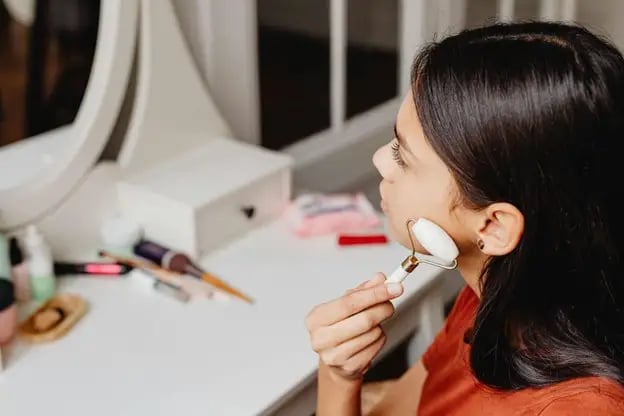
If you are a teen, skincare can feel overwhelming. One day your skin feels fine, and the next you wake up with breakouts or redness. Friends recommend products, social media promotes complicated routines, and stores offer endless choices. It quickly becomes hard to know what actually works.
Most teen skin problems are not caused by bad skin. They usually come from common skincare mistakes. The good news is that these mistakes are easy to fix. Healthy skin does not require expensive products or long routines. It requires consistency, gentle care, and patience.
This article explains the most common skincare mistakes teens make and how to avoid them in a simple, realistic way.
Using Adult Skincare Products Too Early
One major mistake teens make is using products designed for adults. Anti-aging creams, retinol serums, and strong exfoliating acids are heavily promoted online, making teens believe early use will prevent future skin issues.
Teen skin does not need these products. Young skin already produces collagen and repairs itself quickly. Strong ingredients can damage the skin barrier, causing redness, peeling, burning, and breakouts. Because of growing concerns, some health experts have discussed whether teens should need an ID for skincare products with powerful active ingredients. The goal is to reduce misuse, not restrict basic skincare.
Overwashing the Face
Many teens believe washing their face more often will clear acne faster. When breakouts appear, scrubbing harder or washing several times a day feels logical. Unfortunately, overwashing removes the skin’s natural oils.
When skin becomes too dry, it produces more oil to compensate. This leads to clogged pores, irritation, and more breakouts. For most teens, washing the face twice a day with a gentle cleanser and lukewarm water is enough.
Skipping Moisturizer Because of Oily Skin
Teens with oily skin often avoid moisturizer, fearing it will worsen shine or acne. In reality, skipping moisturizer can make oily skin worse.
When skin lacks hydration, it produces even more oil. This creates a cycle of excess shine and clogged pores. A lightweight, oil-free moisturizer helps balance the skin and allows acne treatments to work better.
Not Wearing Sunscreen Every Day
Sunscreen often feels unnecessary to teens, especially on school days or cloudy mornings. Many believe it only matters during summer or at the beach.
Daily sun exposure affects the skin year-round. Sun damage slows healing, makes acne marks last longer, and increases the risk of uneven skin tone later in life. Applying sunscreen every morning helps protect young skin and supports long-term skin health.
Trying Too Many Products at Once
Trendy skincare routines often include many steps, which can overwhelm teen skin. When acne appears, using several products at once makes it difficult to know what helps and what causes irritation.
Too many products can lead to redness, dryness, and more breakouts. A simple routine works best: cleanser, moisturizer, sunscreen, and one acne treatment if needed.
Picking, Popping, and Touching the Face
Touching the face frequently and popping pimples is a common habit. While tempting, it spreads bacteria and increases inflammation.
Popping pimples pushes bacteria deeper into pores and increases the risk of scarring and dark marks. Spot treatments or pimple patches help protect the skin while it heals.
Ignoring Professional Help
Many teens struggle with acne for months without seeking help. When store-bought products fail, frustration builds.
Persistent acne often needs professional care. Dermatologists and pediatric providers understand teen skin and can offer safe treatments. Early treatment helps prevent scarring and reduces stress.
Teen skincare does not need to be confusing. With gentle care, consistency, and smart habits, teens can protect their skin now and build routines that support long-term skin health and confidence.
Copyright © 2026 California Business Journal. All Rights Reserved.
For California Business Journal Disclaimers, go to /terms-conditions/.


