Access to affordable, high-quality broadband is not a luxury; it’s a civil right. In 2025, access to the internet determines who gets to learn, who gets to work, who gets to build wealth — and who gets left behind. Broadband is the new water, the new electricity, the new highway. And just like those public goods, it must be fair, reliable, and accessible to every community, not just the privileged few.
That’s why the NAACP California Hawaii State Conference supports the proposed transaction between Verizon and Frontier Communications, because this deal can help close the digital divide that has persisted for far too long in communities of color across our state.
For decades, too many Black, Latino, Asian American, and Native families have lived in “digital deserts.” Neighborhoods bypassed for upgrades. Students locked out of online learning. Job seekers unable to apply for work. Small businesses losing opportunities because they can’t even process digital payments or market themselves online.
These aren’t inconveniences; they’re barriers to opportunity. When a child can’t connect to a classroom, or a small business can’t connect to customers, the result is the same — another generation left behind.
Verizon brings a proven track record of investment, innovation, and inclusion. Expanding its fiber-optic FiOS network across California means faster, more reliable service reaching deeper into communities that have been ignored for too long.
Just as important, Verizon has pledged targeted affordability programs like its Lifeline offerings and Verizon Forward initiative providing discounted broadband for low-income households. This deal would allow those programs to reach even more people, in the communities that need them most.
This isn’t just about faster internet. It’s about economic empowerment.
California is home to nearly five million minority-owned businesses. Many operate on razor-thin margins, in neighborhoods where outdated infrastructure stifles growth. For them, broadband isn’t optional…it’s oxygen. By expanding high-speed fiber into corridors like South Los Angeles, Fresno, and the Inland Empire, this transaction can help stabilize small businesses, fuel local job creation, and spark innovation in communities too often overlooked.
When our communities thrive, California thrives.
The NAACP has long fought for supplier diversity and inclusive contracting. Verizon has shown it understands that commitment — working with minority- and women-owned vendors, and aligning with California’s own General Order 156 diversity goals.
Programs like Verizon’s Small Business Digital Ready and Supplier Accelerator can open doors for entrepreneurs of color. This transaction expands those opportunities, bringing more resources, training, and access to capital where they belong, in our communities.
Expanding broadband access is only part of the job. Adoption and trust are equally vital. Verizon has already partnered with schools and community centers to provide digital literacy and training. With this expansion, those efforts can reach from rural towns to urban centers, ensuring that connectivity leads to capability. Access without understanding is an illusion.
Some critics claim this transaction limits competition. The truth is the opposite. Frontier’s financial instability has left too many Californians uncertain about their digital future. Transferring these assets to Verizon means a stronger, more capable competitor to entrenched cable giants.
More competition means better service, better prices, and better protection for consumers, especially those who have been ignored the longest.
At the end of the day, this isn’t about corporate deals; it’s about justice. It’s about whether California will lead or lag in the fight for digital equality.
Broadband is the infrastructure of the 21st century. We cannot accept a state where Black and Brown families remain disconnected from opportunity.
With this transaction, we have a chance to bridge that gap and finally ensure that every student, every worker, and every small business has a fair shot in the digital economy.
Because in California, equity can’t wait — and neither can we.
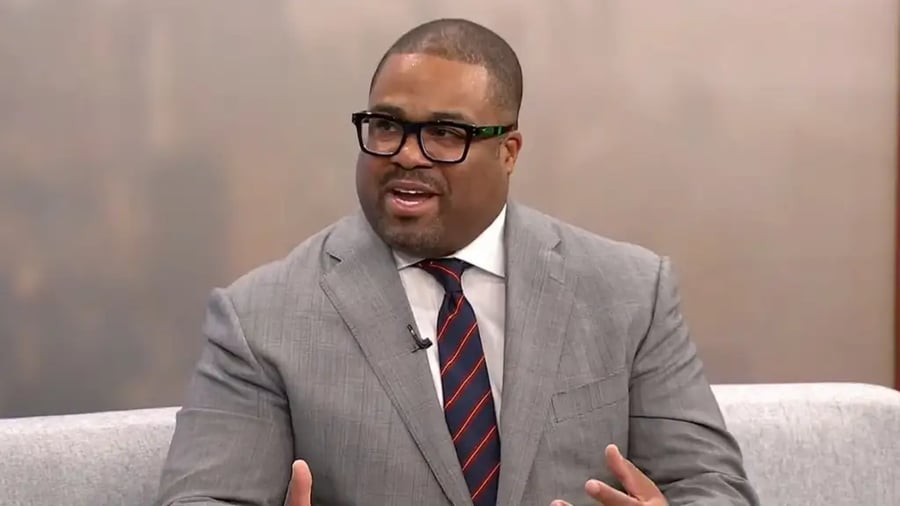
Rick L. Callender, Esq. is President of the NAACP California-Hawaii State Conference.
Copyright © 2025 California Business Journal. All Rights Reserved.
For California Business Journal Disclaimers, go to /terms-conditions/.


