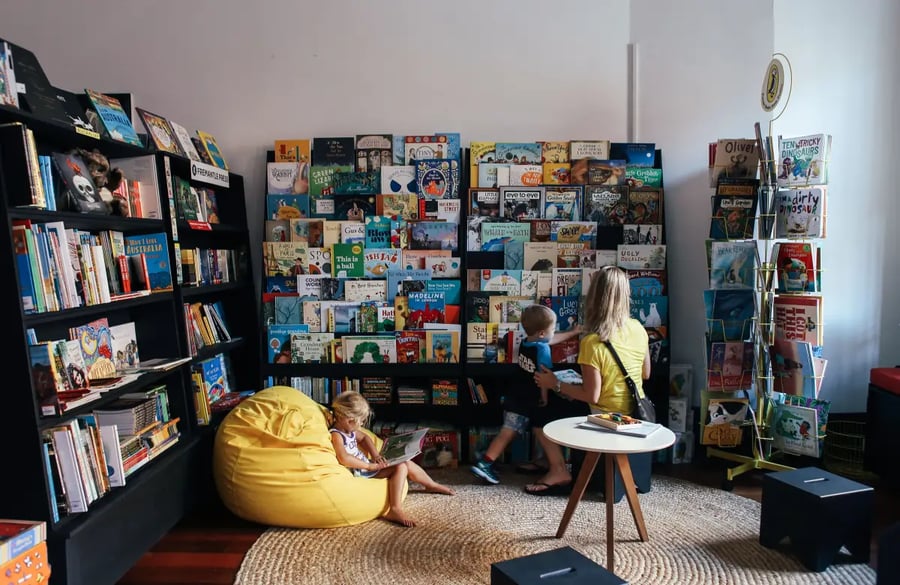
A child's room works best when storage supports daily habits, quiet focus, and open-ended fun. Bookcases can help shape that rhythm far better than many adults expect. Their height, shelf depth, and visual order affect how children browse, choose, and return favorite titles. A well-planned piece also creates room for toys, art, and small rituals that make reading feel active, personal, and linked with play.
Access Shapes Habits
Easy reach changes behavior in visible ways. When shelves sit low, children can scan covers, pull a story, and put it back without help. That repeated action builds choice, care, and confidence. Many families looking at room layout start with children's bookcases because furniture that supports self-selection can turn reading from a scheduled task into a natural part of daily movement and free play.
More Than Storage
A bookcase can act like a quiet activity zone. One shelf may hold picture books, another shelf may hold puzzles, and a lower cubby may keep puppets or blocks. Clear grouping helps children understand where things belong. That order supports calmer transitions between play, cleanup, and story time.
Why Display Matters
Front-facing covers catch attention faster than tightly packed spines. Young children often choose with their eyes before they know titles. A shelf that shows color, shape, and familiar characters invites browsing in a direct way. Visual access also reduces frustration during cleanup.
Independence Begins at Floor Level
Low furniture gives children genuine control within safe limits. They do not need to climb, ask, or wait for an adult. Reading a book alone builds small moments of competence. Those moments matter because confidence often grows through repeated, ordinary choices.
Play Lives Beside Reading
Books rarely stay separate from play in early childhood. A story about animals may lead to figurines on the rug. A bedtime tale may inspire blanket forts or pretend camping. Storage that leaves room for both activities respects how children actually learn, imagine, and connect ideas.
Safety Supports Freedom
Freedom works best when risk stays low. The product guidance on Lullabye Shop highlights sturdy frames, anti-tip hardware, and non-toxic finishes as practical priorities. Those details matter because secure furniture lets children explore with fewer restrictions. Adults can relax more when the setup supports safe use.
Materials Affect Daily Use
Durable surfaces matter in busy rooms. Shelves hold board books, baskets, framed art, and the occasional toy truck. A stronger build resists wobble and wear over time. Finishes with low chemical impact also support healthier indoor spaces, which many families value in sleep and reading areas.
Growing With the Child
Children’s needs change quickly from toddler years to grade school. Adjustable shelves help a unit keep pace with taller books, chapter series, games, and school supplies. That flexibility can reduce replacement cycles. One well-chosen piece may shift from nursery storage to study support with only minor changes.
Small Rooms Need Smart Height
Compact rooms benefit from vertical storage, yet floor access still matters. A hutch or taller frame can save space while keeping favorite items lower down. This balance allows adults to use the wall area without crowding the room. Open space near the unit also leaves more room for play.
Design Can Cue Curiosity
Children notice what adults place at eye level. A rotating shelf of current favorites can guide attention without pressure. Seasonal books, nature finds, or a small lamp may add interest. These details turn the bookcase into a living part of the room, rather than a passive container.
Color and Calm
The strongest choices often feel simple. Natural wood, white finishes, and soft neutral tones can keep a room settled while books provide color. That balance helps visual focus. Busy patterns on every surface may compete with covers, toys, and artwork for attention.
Mixing Open and Hidden Storage
Open shelves support browsing, while bins hide clutter that can distract from reading. This combination serves both function and mood. Picture books stay visible, yet loose toys can disappear quickly when the room needs a reset. Children also learn that different items need different homes.
Furniture as a Daily Signal
Children read cues from the room around them. A reading cushion beside a shelf suggests pause and attention. Baskets for puppets suggest reenactment. Art supplies nearby suggest response and creation. The furniture arrangement quietly tells children that books connect with action, feeling, and imagination.
Choosing With Purpose
The best unit fits the child, the room, and the routines around it. Adults can measure wall space, check shelf reach, and confirm anchoring needs before buying. A beautiful piece matters less if it blocks movement or hides books too high. Practical fit usually leads to better long-term use.
Conclusion
Children respond to furniture that respects how they move, choose, and play. A bookcase can support far more than neat stacks of stories when its scale, safety, and layout match daily life. Good design makes reading easier to start, easier to repeat, and easier to connect with imagination. In that sense, the right shelf becomes part of childhood development itself, shaping independence, curiosity, and the feel of the room each day.
Copyright © 2026 California Business Journal. All Rights Reserved.
For California Business Journal Disclaimers, go to /terms-conditions/.


