Warehouse efficiency is a critical factor of business success, driving profitability and ensuring customer satisfaction while maintaining competitiveness. But efficient warehouse management relies on optimised processes and skilled labour, along with the strategic use of technology and equipment that can make daily operations smoother and more systematic.
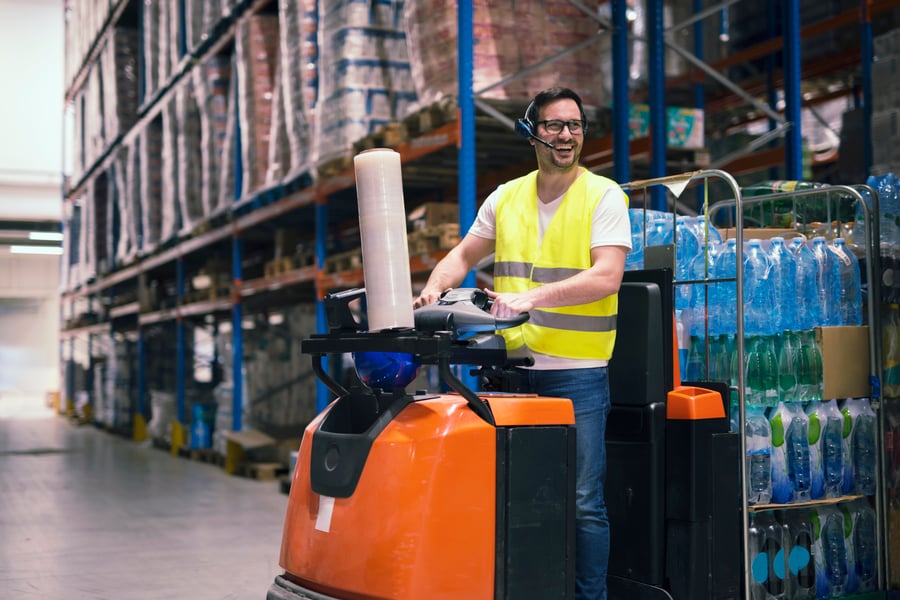
In particular, material-handling equipment, such as reach trucks, play a key role in boosting warehouse efficiency and overall productivity. Unlike a conventional forklift that can be bulky and difficult to manoeuvre, a reach truck has a more compact form factor that is ideal for narrow aisles and flat surfaces common in most Singapore warehouses. Also, because you do not need a licence to operate a reach truck, it can be used by anyone in the team, provided that they have the proper training and certification.
For businesses considering how a reach truck can support their operations and inventory but are not ready to commit to ownership, a reach truck rental is a practical solution worth exploring. Let’s discuss how reach truck rentals can help businesses improve warehouse productivity and maintain flexibility, all so that companies can streamline their logistics processes.
1) Improved Warehouse Space Utilisation
One of the clear advantages of using reach trucks in a warehouse environment is their ability to operate effectively in narrow aisles. Many Singapore warehouses are designed to maximise storage capacity within limited floor space, which means equipment must be able to manoeuvre smoothly even in tight areas. Reach trucks are built with a compact design that allows operators to move between racks with ease while maintaining stable control over heavy loads.
These trucks are also useful for reaching higher shelves, which allows warehouses to make better use of vertical storage space. By stacking pallets at greater heights and accessing them quickly, businesses can increase storage density without expanding their facility. This allows warehouses to hold more inventory while maintaining smooth movement across storage areas, which supports faster order processing and increased productivity overall.
2) Greater Operational Flexibility
Operational demands in warehouses typically shift throughout the year. Seasonal peaks, large incoming shipments, or temporary projects often increase the demand for material-handling equipment. Reach truck rentals provide businesses with a practical solution by allowing them to adjust their equipment fleet according to these changing demands without committing to long-term ownership.
With rental arrangements, companies can add or return equipment depending on operational needs. This flexibility enables warehouse managers to maintain productivity during busy periods without investing in equipment that may remain unused during slower months. As a result, businesses can scale their operations more efficiently while ensuring that workers always have the right equipment available to move goods safely and quickly.
3) Reduced Capital Investment
Purchasing warehouse equipment can require a substantial financial commitment. Growing businesses or startups often have limited budgets. As such, investing in new machinery may tie up capital that they could otherwise use to support other operational needs. For these companies, renting reach trucks offers a practical alternative because it allows them to use the equipment without making a large upfront purchase.
Rental agreements typically involve fixed payments over a defined period, which makes it easier for businesses to plan their operational budgets. Moreover, instead of spending a significant amount of money on equipment ownership, companies can allocate resources toward workforce development, inventory expansion, or facility improvements. This approach can support long-term growth while maintaining efficient warehouse operations.
4) Access to Modern and Reliable Equipment
The reliability and performance of material-handling equipment often influence warehouse productivity. When equipment operates smoothly, workers can move goods efficiently and complete tasks without disruptions. Reach truck rental services often provide modern machines that are maintained according to manufacturer standards.
Access to updated and reliable equipment can help businesses maintain consistent warehouse performance. Modern reach trucks may include improved safety features, enhanced manoeuvrability, and better ergonomic controls for operators. These features can help minimise operational errors while allowing employees to perform tasks more efficiently in high-traffic warehouse environments.
5) Reduced Maintenance Responsibilities
Owning warehouse equipment often requires managing maintenance, repairs, and inspections. These responsibilities can require additional time and technical expertise, along with higher operational costs. For businesses without dedicated maintenance teams, equipment upkeep may introduce challenges that can disrupt daily warehouse operations.
Upon renting reach trucks instead of purchasing them, businesses can leave maintenance responsibilities up to the rental provider. This arrangement allows companies to focus on core warehouse activities rather than equipment repairs. In many cases, rental providers also offer replacement equipment if a machine requires servicing, which helps minimise downtime and maintain productivity across the warehouse floor.
Warehouse management plays a central role in business operations. With the right equipment, organisations can improve their productivity and maximise their resources, all while keeping up with changing market demands.
For Singapore businesses with limited resources, reach truck rentals provide a practical solution by offering modern material-handling equipment without the significant investment required by long-term ownership. Thus, a rental company may be the best possible solution for allowing companies to access reliable equipment while providing operational flexibility and supporting their evolving needs as the business grows.
Copyright © 2026 California Business Journal. All Rights Reserved.
For California Business Journal Disclaimers, go to /terms-conditions/.


