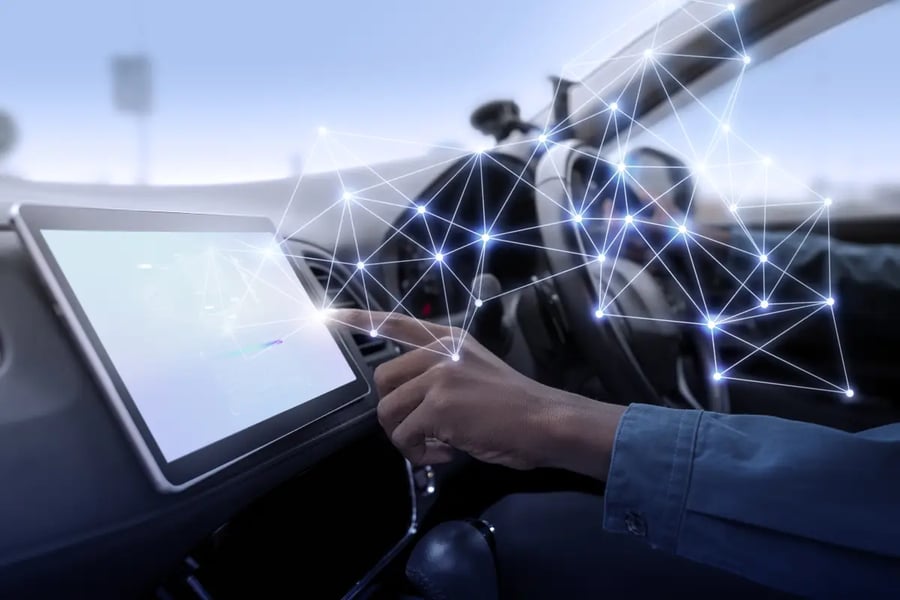
In years gone by, managing a fleet of vehicles required lots of paperwork, constant radio/phone communication and extensive geographical knowledge. Fleet management software has made things a lot easier. But, as a fleet manager, exactly which software should you choose?
There are many different platforms all promising to be the ultimate solution. When choosing the right software, it’s important to compare features and find an application that is right for your business model.
This typically involves looking beyond basics like GPS tracking and working out what other tools you can truly benefit from, while making sure it’s user-friendly and within your budget. Below we’ll take a more in depth look at how to choose the right software for your fleet.
What features can you expect from modern fleet management software?
Today’s fleet platforms are comprehensive operating systems that help you manage both your vehicles and your mobile workforce. Some of the features you can expect in most major solutions include:
- Real-time GPS tracking: This allows you to track where vehicles are and where they’ve been.
- Vehicle telematics: Some software also provides real-time data on speed, fuel usage and engine health to help you maintain vehicles and monitor driving.
- Advanced route optimization: Modern software can calculate the most efficient, safest or most economical routes for each of your drivers. This may involve factoring in traffic, delivery windows, vehicle size and fuel consumption.
- Automated dispatch co-ordination: Automatically select available drivers using software instead of having to manually select drivers for tasks.
- AI-powered driver behavior monitoring: Some types of software can link up to cameras and sensors to record information on each individual driver. Such software can flag up concerning behavior such as speeding, harsh braking, fatigue or distracted driving (like using a phone).
- Vehicle inspection reports: Via apps and work devices, drivers can carry out vehicle inspection reports, which can be uploaded onto a system for you to check in order to make sure each vehicle is good to use. This is important for safety, maintenance scheduling and compliance.
Which software is right for your industry?
Many different types of businesses use fleets of vehicles and each one has their own unique needs. Often it can be worth looking into industry-specific software rather than general fleet management software. Examples of different industries that use fleet management software include:
Freight movement
For long-haul trucking and logistics, it could be vital to choose software with long-distance route optimization features (tolls, bridges, weight limits). Tracking how long drivers are on the road could also be vital for preventing fatigue, while trailer tracking could also be useful.
Last-mile delivery
Local couriers delivering mail and parcels may require a different type of software that can sort and track multiple drops per day. Making sure that drivers can digitally confirm proof of delivery is important too.
Food delivery
When delivering food locally or long-distance, it could be essential to consider things like temperature logging for refrigerated goods (necessary for food health and safety compliance) while also prioritizing speed in order to keep food fresh. You may also need software that can handle order batching and re-sequencing on the fly.
Equipment hire
If you’re moving rented equipment around, consider software that can be integrated with rental/ERP systems for contracts and billing. Software should also allow you to track equipment and record inspection information for your assets.
Waste hauling
Specialist waste management software could be worth looking into if you're managing a fleet of waste hauling vehicles. Look for platforms that also include features like automated invoicing and order management for all-in-one waste hauling management.
Public transport
You can also find specialist fleet management software for managing taxis or buses. Taxi fleet management software can help to juggle live bookings and automatically dispatch the nearest available driver, while bus management software can be programmed to adhere to strict timetables.
Utilities and maintenance
Field engineers like plumbers and appliance technicians may benefit from fleet management software that can prioritize dispatching based on urgency of repairs. Such software should also allow technicians to provide real-time job status updates.
Sales
When it comes to managing traveling sales reps, it could be important to choose software that can integrate with a CRM platform. This could include software that can provide data like heatmaps of areas where sales are higher frequency, as well as recording customers that have already been targeted so that you don’t unnecessarily re-target the same houses.
What other factors are important to consider?
On top of considering what features you need, you also need to consider a few other more general factors. This includes:
Cost
The software you choose needs to be within your budget. Think about how much you can reasonably spend on software. It’s possible you may need to sacrifice some nice-to-have features if your revenue is relatively low. Most software is paid via a monthly subscription, but there are some programs that you can pay for annually if you prefer.
User-friendliness
Your software needs to be easier for both you and your drivers to use. Free trials can be a good way to test out features and see how intuitive a platform is. Avoid software that seems unnecessarily complex or that regularly experiences bugs. Check out online reviews left by other users to also get an idea as to how user-friendly software is.
Scalability
If your business grows, you’ll need software that can grow with it. Some types of fleet management software are designed for small fleets and others are designed for large fleets. The best programs are those that come with different plans for different sizes of business - you can then upgrade if your business grows or downgrade if your business shrinks without having to migrate to a new software system.
Integration
Finally, think about what other programs you can integrate with software. Certain fleet management platforms may be able to integrate with software like Salesforce for sales data tracking or Quickbooks for invoicing. Also think about which vehicles and devices software can work with.
Copyright © 2026 California Business Journal. All Rights Reserved.
For California Business Journal Disclaimers, go to /terms-conditions/.


