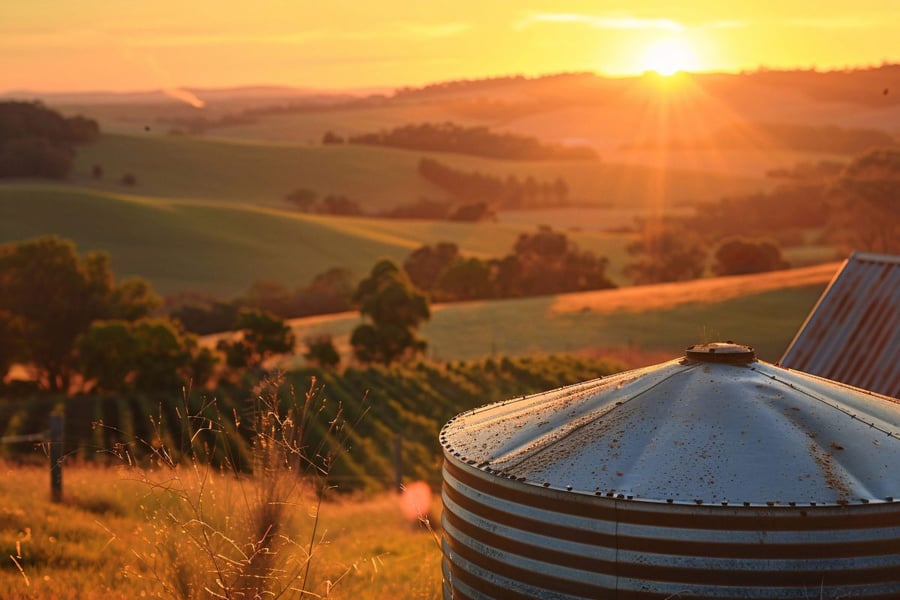
Nestled in the heart of California's wine country, Sonoma Valley offers an enchanting escape for wine enthusiasts and curious beginners alike. Unlike its more famous neighbor Napa, Sonoma maintains a laid-back charm that makes it perfect for first-time visitors who want to explore world-class wineries without the intimidation factor. Whether you're planning your first visit or simply want to make the most of your experience, understanding the basics will help you create unforgettable memories among the rolling vineyards.
Understanding Sonoma Valley's Wine Regions
Sonoma Valley isn't just one uniform area—it's actually composed of multiple distinct appellations, each with its own character and specialty. The main Sonoma Valley AVA stretches from San Pablo Bay northward, creating a diverse landscape where different grape varieties thrive in unique microclimates.
The valley floor tends to be warmer and is ideal for robust reds like Cabernet Sauvignon and Zinfandel, while the hillside vineyards benefit from cooler temperatures that produce exceptional Chardonnay and Pinot Noir. As a beginner, you don't need to memorize every appellation, but knowing that location significantly impacts wine style will enhance your tasting experience.
The town of Sonoma serves as an excellent home base, with its historic plaza surrounded by tasting rooms, restaurants, and charming shops. From here, you can easily access dozens of wineries within a short drive.
Planning Your Winery Itinerary
One of the biggest mistakes first-time visitors make is trying to cram too many wineries into a single day. Quality always trumps quantity when it comes to wine tasting, so limit yourself to three or four wineries per day to avoid palate fatigue and actually remember what you tasted.
Start your day at a larger, more established winery where you'll likely find knowledgeable staff who excel at educating newcomers. These properties often offer beautiful grounds and comprehensive tours that explain the winemaking process from grape to glass.
For your second and third stops, consider mixing in a smaller, family-owned operation where you might meet the winemaker personally. These intimate experiences often provide the most memorable moments and genuine insights into Sonoma's wine culture. Many visitors find that booking Sonoma wine tours through reputable companies takes the stress out of planning and provides transportation, allowing everyone to enjoy tastings safely.
Making the Most of Tasting Room Experiences
Walking into your first tasting room can feel overwhelming, but remember that the staff wants you to have a great experience regardless of your knowledge level. Don't be afraid to admit you're a beginner—most wine professionals love sharing their passion with eager learners.
When tasting, take your time with each wine. Look at its color, swirl it gently to release aromas, smell deeply, then take a small sip and let it coat your palate. You don't need fancy vocabulary to describe what you're experiencing; simple terms like fruity, earthy, smooth, or tannic are perfectly acceptable.
Ask questions about anything that interests you, from the vineyard's history to specific winemaking techniques. The more engaged you are, the more you'll learn and enjoy the experience.
What to Wear and Bring
Comfort should be your top priority when planning your winery outfit. The weather in Sonoma can vary significantly throughout the day, so layering is essential—mornings might be cool and foggy while afternoons turn warm and sunny.
Wear comfortable, closed-toe shoes since you might be walking through vineyards or standing for extended periods. Many wineries have gravel paths or uneven terrain where high heels simply aren't practical.
Bring a small bag with sunscreen, sunglasses, a water bottle, and some light snacks. Staying hydrated between tastings is crucial, and having crackers or cheese can help cleanse your palate. Don't forget a notebook if you want to remember your favorite wines for future purchases.
Timing Your Visit for the Best Experience
Seasonality dramatically affects the Sonoma Valley experience. Summer and fall are peak tourist seasons, with September and October bringing the excitement of harvest time. However, these months also mean larger crowds and higher prices.
Spring offers beautiful mustard blooms between the vines and fewer visitors, making it easier to get personal attention at tasting rooms. Winter is the quietest season, perfect for intimate experiences, though some smaller wineries may have limited hours.
Weekdays are generally less crowded than weekends year-round, giving you more opportunity for meaningful conversations with winemakers and staff.
Conclusion
Exploring Sonoma Valley's wineries is an adventure that rewards curiosity and an open mind. By pacing yourself, asking questions, and focusing on experiences rather than checking boxes, you'll discover why this region has captured the hearts of wine lovers worldwide. Remember, everyone starts as a beginner, and the journey of discovering your wine preferences is half the fun. Cheers to your Sonoma Valley adventure!
Copyright © 2026 California Business Journal. All Rights Reserved.
For California Business Journal Disclaimers, go to /terms-conditions/.


