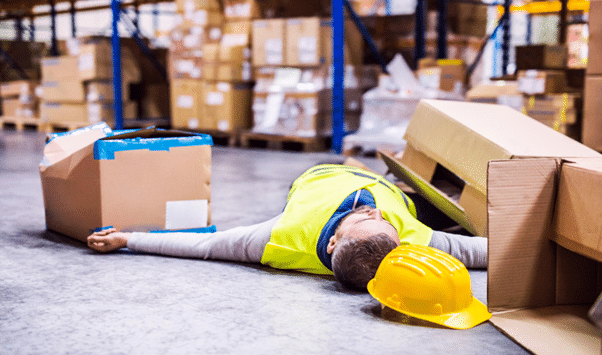
Floors, stairs, and walkways can pose hidden risks that often go unnoticed. A wet patch, uneven step, or cluttered area can lead to serious falls and injuries. These hazards are more than simple inconveniences—they can result in costly medical bills and legal claims. Identifying potential dangers early is essential to protect both people and property. Regular inspections, prompt maintenance, and proper safety measures help reduce accidents.
In cases where injuries do occur, consulting experienced slip and fall accident lawyers ensures that legal rights are protected and any claims are handled correctly.
Slip and Fall Hazards
Slip and fall accidents happen for many reasons. Wet floors from spills, leaking pipes, or rain can make surfaces slippery. Worn carpets, loose tiles, and broken steps add hidden threats that often go unnoticed until it’s too late. Poor lighting or cluttered hallways make it harder to spot risks before they become accidents.
Even outdoor areas like sidewalks, parking lots, and entryways can hide dangers such as cracks or uneven pavement. Awareness of these hazards is the first step in preventing accidents. Detecting these risks early can make the difference between safety and injury.
Why Early Detection Matters
Finding hazards before someone gets hurt is more than just a safety measure—it’s a financial strategy. Injuries from falls can lead to costly medical bills, time off work, and potential legal claims. Early detection helps prevent these consequences.
Regular inspections of floors, stairs, and common areas allow problems to be fixed immediately. Proper signage, maintenance, and cleaning routines reduce risks dramatically. Businesses, in particular, benefit because preventing accidents protects employees, customers, and their reputation. A small effort in detection and correction often saves a much higher cost later.
Common Risk Areas to Watch
Certain areas are more likely to cause accidents. Being vigilant in these spaces can prevent serious injuries:
- Entrances and Exits: Water from rain or snow can make entryways slippery. Mats and quick cleanup prevent falls.
- Bathrooms and Kitchens: Wet or greasy surfaces create a constant risk. Non-slip mats and regular cleaning are essential.
- Hallways and Staircases: Poor lighting or worn steps increase fall chances. Regular inspections and proper illumination are key.
- Parking Lots and Sidewalks: Uneven pavement, cracks, or debris can lead to injuries. Prompt repair and maintenance reduce hazards.
Paying attention to these areas regularly keeps both individuals and visitors safe.
The Role of Property Owners
Property owners have a responsibility to maintain safe spaces. Ignoring hazards can result in serious legal consequences if someone is injured. Routine inspections, immediate repairs, and clear signage all help prevent accidents.
Educating employees or residents about potential dangers creates a proactive safety culture. Even small adjustments, such as fixing loose tiles or removing cords from walkways, can prevent costly claims. Taking action before an accident occurs protects lives and reduces financial risks.
How Slip and Fall Accident Lawyers Assist
Even with the best precautions, accidents can happen. Slip and fall accident lawyers step in to ensure that injuries are handled properly and that property owners are held accountable when necessary. These professionals evaluate hazards, gather evidence, and guide clients through legal processes. They understand how hidden risks can affect a case and help individuals navigate complex situations.
Legal support can uncover issues that are not obvious, ensuring that anyone affected receives the compensation they deserve and that property owners understand their responsibilities.
Practical Steps for Early Hazard Detection
Detecting hazards early is simple if approached methodically. These steps help prevent accidents and limit expenses:
- Conduct frequent inspections of floors, stairs, and common areas.
- Clean spills immediately and remove clutter.
- Repair worn or broken flooring and steps promptly.
- Improve lighting in dark hallways and staircases.
- Educate everyone on identifying and reporting hazards.
Following these steps consistently creates a safer environment for everyone. Preventing falls reduces injuries and protects financial interests.
Wrap Up!
Fall accidents can happen anywhere and at any time. Early hazard detection not only safeguards lives but also prevents financial strain. Property owners and managers who remain alert and take preventive action save both time and money. Awareness, routine inspections, and quick responses to potential risks create safer spaces for employees, visitors, and residents.
Legal guidance from lawyers can complement these efforts, ensuring that hazards are properly managed and accidents are addressed appropriately. Taking action before accidents occur is always more effective than dealing with the consequences afterward.
Copyright © 2026 California Business Journal. All Rights Reserved.
For California Business Journal Disclaimers, go to /terms-conditions/.


