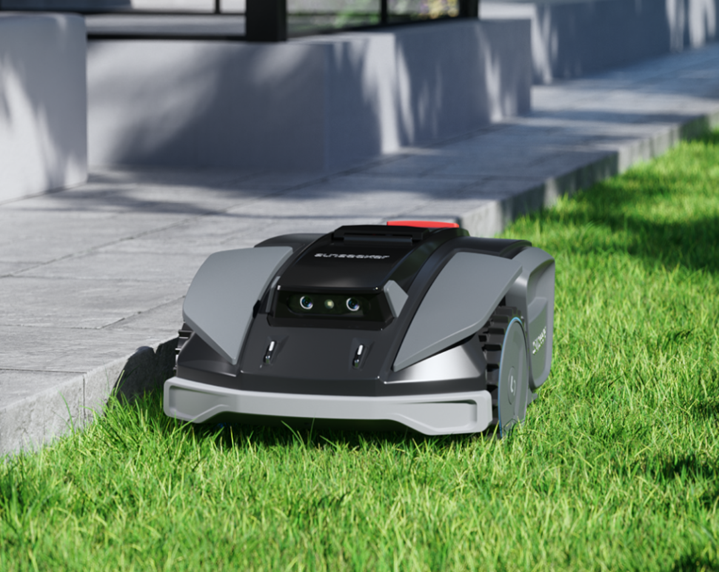
All-terrain robot lawn mowers promise neat grass on slopes, bumps, and tricky corners without constant supervision. Homeowners now expect these machines to climb steep inclines, grip wet turf, and dodge toys, branches, and garden furniture. Performance depends on how well the mower handles all these real-world challenges, not just how it looks on paper. Models like the Sunseeker S5 AWD All-Terrain Conquer showcase what strong design can achieve: all-wheel drive to climb slopes up to 60% (30°) and dual-camera 3D vision for precise navigation. This guide explains the key factors behind all-terrain performance, including slope ratings, traction systems, navigation technology, and maintenance practices. Use it to choose a mower that fits your lawn and to get the best results from it.
What Defines All-Terrain Robot Lawn Mower Performance?
Slope Handling Capability and Maximum Incline Ratings
Slope performance starts with the maximum incline rating, often shown as a percent grade or degrees. This number tells you how steep the mower can safely climb and descend without slipping or stalling. High-performing all-terrain models, such as the Sunseeker S5 AWD All-Terrain Conquer, handle slopes up to 60% (around 30°), which suits challenging hillside lawns. However, the rating alone does not guarantee real-world success. Grass type, soil moisture, and bumpiness all affect grip and stability. A mower must maintain balance, keep blades at a consistent height, and avoid drifting downhill. Good slope handling also means controlled braking on descents and the ability to change direction mid-slope. Reliable incline performance reduces scalping, missed patches, and safety risks.
Wheel Design, Traction Control, and Drive Systems
Wheels and drive systems decide how well a robotic mower transmits power to the ground. All-wheel drive setups, like on the Sunseeker S5 AWD All-Terrain Conquer, send torque to every wheel for better grip on loose soil, thick grass, and slopes. Deep tread patterns, wide tires, and flexible rubber compounds help prevent wheel spin and ruts. Traction control software can reduce power to a slipping wheel and shift it to wheels with better grip. Ground clearance and wheel articulation also matter when the mower crosses roots, dips, or small holes. A strong all-terrain mower pairs solid mechanical design with smart traction algorithms, so it can move steadily, keep cutting, and avoid getting stuck on wet patches or rutted ground.
Motor Power, Battery Efficiency, and Cutting Performance
Motor strength and battery efficiency work together to define cutting performance. An all-terrain robot mower needs enough torque to drive wheels and blades through thick, uneven grass without bogging down. Brushless motors deliver efficient power with less heat and longer service life. Battery capacity must support longer run times on slopes, where motors draw more current. Efficient power management lets the mower adjust blade speed and wheel torque to conditions, saving energy while keeping cut quality. Multi-zone lawns and rough areas benefit from adaptive cutting modes that slow the mower and boost torque when resistance increases. The goal is a consistent, even cut across flat sections, inclines, and rough patches, without frequent recharging or visible mowing stripes.
How Do All-Terrain Robot Mowers Handle Challenging Conditions?
Performance on Wet Grass, Uneven Ground, and Rough Terrain
Wet grass, ruts, and bumps push an all-terrain robot mower to its limits. A capable machine uses aggressive tread and balanced weight distribution to maintain grip on slippery slopes and damp patches while avoiding turf damage. All-wheel drive systems like those on the Sunseeker S5 AWD All-Terrain Conquer spread traction across all wheels, so the mower keeps moving even when one wheel encounters mud or a shallow hole. Suspension design and floating cutting decks help blades follow the contour of uneven ground instead of scalping high spots. Smart sensors can slow the mower when it detects excessive vibration or wheel slip on rough terrain. This combination of mechanical stability and intelligent control allows the robot to cut safely and evenly in conditions that challenge basic models.
Obstacle Navigation and Stability on Complex Landscapes
Complex landscapes feature trees, flower beds, toys, hoses, and furniture, all of which demand precise obstacle navigation. Advanced all-terrain mowers use cameras, ultrasonic sensors, and bump sensors to detect obstacles before contact. The Sunseeker S5’s dual-camera 3D vision allows it to “see” and judge the position and height of objects, improving path decisions and safety. Smart obstacle avoidance of 360+ types means the mower recognizes both static and moving objects plus floating items such as balls. Stability plays a key role when circling tree wells or edging around retaining walls. Low center of gravity, wide track width, and measured turning speeds prevent tipping, especially on slopes. Effective navigation avoids collisions, protects landscaping, and reduces the need for manual rescue or boundary adjustments.
Smart Navigation Systems: GPS, Sensors, and AI Integration
Smart navigation separates basic robotic mowers from high-performing all-terrain machines. GPS and RTK-GPS support accurate positioning, so the mower follows planned routes instead of random patterns. Dual cameras, like those on the Sunseeker S5, add 3D depth perception that lets the mower recognize obstacles and openings in real time. Additional sensors, including gyroscopes, accelerometers, and wheel encoders, track tilt, direction, and distance. AI algorithms combine this data to map the lawn, learn boundaries, and optimize paths. Over time, an intelligent mower can adjust routes to skip low-growth areas and spend more time on dense patches. Smart navigation improves coverage, cuts overlapping passes, and reduces battery use while keeping performance reliable on slopes, around trees, and across irregular zones.
What Features Improve Performance and Reliability?
Build Quality, Weather Resistance, and Durability Factors
A capable all-terrain robot mower must survive constant outdoor exposure and rough ground. High-quality plastics, robust chassis design, and sealed electronics protect against impacts, moisture, and dust. Models built for wide climate ranges use UV-stable materials to resist fading and cracking. Weather resistance, including IP-rated protection, keeps rain and sprinkler water from entering sensitive components. Wheel housings and drive systems need reinforcement to handle the extra strain of slopes and obstacles. A low, rigid frame improves stability and reduces flex over bumps. Blade discs and motors should resist corrosion from wet grass and fertilizer. When manufacturers focus on durability, the mower maintains traction, cutting power, and navigation accuracy over many seasons, lowering long-term costs and downtime for owners.
Software Optimization: Mapping, Path Planning, and Updates
Software plays a major role in real-world performance. Mapping functions allow the mower to create a digital model of the lawn, including slopes, obstacles, and no-go zones. With this map, path planning algorithms choose efficient mowing lines, align passes, and adjust speed and direction on inclines. Robots like the Sunseeker S5 that combine 3D vision with smart mapping can refine routes with each run. Over-the-air updates bring improvements in obstacle recognition, drive control, and energy management without new hardware. Users often gain better coverage, fewer missed spots, and smoother movement on rough terrain over time. Strong software support ensures the mower continues to adapt to new layouts and seasonal changes, keeping performance consistent and reliable.
Maintenance Practices and Performance Optimization Tips
Good maintenance keeps an all-terrain robot mower at peak performance. Clean the wheels and treads regularly to remove mud and grass that reduce traction on slopes. Inspect blades often and replace them when dull to maintain a clean cut and reduce motor strain. Check for debris around the blade disc, drive motors, and sensors to prevent overheating or navigation errors. Keep camera lenses and obstacle sensors clear, especially on models like the Sunseeker S5 that rely on dual-camera 3D vision and smart obstacle avoidance. Update firmware through the app when new versions appear, since updates can improve path planning and obstacle handling. Finally, walk your lawn occasionally to remove large branches, heavy toys, and cables that could block or damage the mower.
Conclusion
Choosing the right all-terrain robot lawn mower means looking beyond basic specs and focusing on real performance factors. Slope ratings, traction design, and power all influence how the mower handles steep, rough, or wet lawns. Advanced models such as the Sunseeker S5 AWD All-Terrain Conquer show how all-wheel drive, dual-camera 3D vision, and smart obstacle avoidance of 360+ types work together for reliable, safe mowing. Strong build quality and weather protection safeguard components, while intelligent software and regular updates refine navigation and coverage. With simple maintenance and thoughtful setup, owners can unlock consistent, high-quality cuts across complex landscapes. By understanding these elements, you can select a mower that truly matches your yard’s conditions and delivers hands-free lawn care.
Copyright © 2026 California Business Journal. All Rights Reserved.
For California Business Journal Disclaimers, go to /terms-conditions/.


