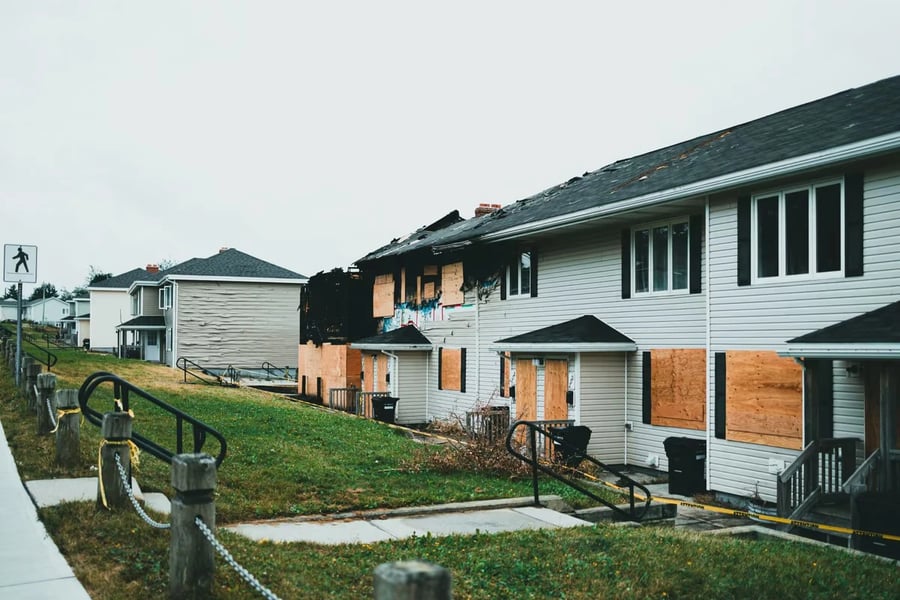
Water, fire, and mold damage can affect a property in very different ways, but the problems often continue after the initial incident. Moisture, smoke residue, contamination, or structural damage may spread beyond what is immediately visible. When extensive damage requires professional attention, Risk Free Serv in San Diego can help address affected areas and reduce the risk of further problems. Careful action during the first hours and days can make a major difference in how much of the property can be saved.
Make Safety the First Priority
Before entering a damaged property, consider whether it is safe.
Fire can weaken structural materials and electrical systems. Water may create slippery surfaces, electrical hazards, or weakened flooring.
If there are signs of structural instability, exposed wiring, standing water near electrical equipment, or strong odors, entry should be limited until the area has been assessed.
Stop the Source Before Cleaning
Cleanup will not be effective if the cause of the damage is still active.
With water damage, this may mean stopping a leak or preventing additional water intrusion. After a fire, damaged windows or roofing may need temporary protection from the weather.
Mold also requires the moisture source to be corrected.
Document the Damage
Before major cleanup begins, document affected areas when it is safe.
Take photographs and videos of rooms, surfaces, furniture, equipment, and belongings. Keep notes about when the damage was discovered and what emergency steps were taken afterward.
Receipts for temporary repairs, cleanup supplies, lodging, or related expenses may also be useful.
Water Can Travel Beyond What You See
Water damage often extends farther than visible stains suggest.
Moisture can move through drywall, insulation, flooring, cabinets, and subfloors. The carpet may feel dry on top while the padding underneath remains wet.
Drying therefore involves more than opening windows or placing fans in the room.
Smoke Can Spread Throughout the Property
Fire damage is often not limited to the burned area.
Smoke can move through hallways, ventilation systems, wall openings, and nearby rooms. Soot may settle on ceilings, fabrics, furniture, electronics, and other surfaces.
Smoke odors need to be addressed at their source rather than simply covered with fragrance.
Mold Requires Careful Cleanup
Mold should not be treated like ordinary dirt.
Disturbing affected materials can release particles into surrounding areas. Scrubbing visible growth without controlling moisture may spread the problem.
Porous materials such as drywall, insulation, and carpet padding can be difficult to restore once heavily affected.
Protect Unaffected Areas
Restoration work can spread dust, soot, moisture, and contamination if the work area is not controlled.
Temporary barriers, floor protection, or isolation of certain rooms may help protect clean areas. Belongings that are still in good condition should also be moved carefully so contamination is not carried elsewhere.
Do Not Rebuild Too Quickly
Repairs should not begin simply because a room looks dry or clean.
Painting over damp drywall, installing flooring over a wet subfloor, or closing wall cavities too early can trap moisture.
Reconstruction should begin only after the underlying conditions have been corrected.
Watch for Problems That Appear Later
Some damage becomes noticeable days or weeks afterward.
Wood may warp, paint may bubble, flooring can loosen, and musty or smoky odors may return. These changes may indicate hidden moisture or contamination that was missed earlier.
Recovery Is About More Than Appearance
Successful restoration is not simply about making a room look normal again.
The process should focus first on safety, source control, documentation, drying or cleaning, and protection of unaffected areas.
Taking time to address the underlying damage can reduce the risk of recurring mold, hidden moisture, lingering smoke residue, and repairs that fail prematurely.
Copyright © 2026 California Business Journal. All Rights Reserved.
For California Business Journal Disclaimers, go to https://calbizjournal.com/terms-conditions/.


