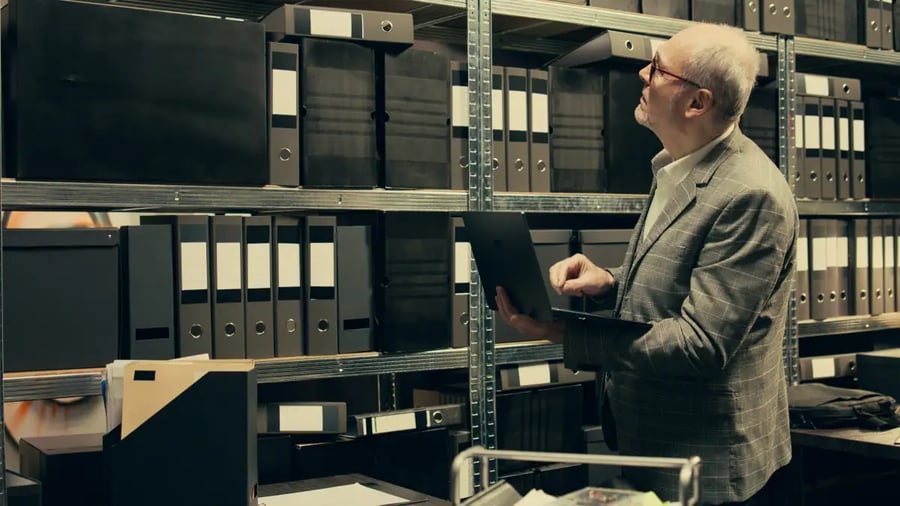
Managing archives and research materials can feel overwhelming, especially when documents, books, notes, and digital files grow faster than expected. Without a clear method, important information becomes scattered, damaged, or difficult to find when needed. A smart storage approach helps maintain order, protects valuable materials, and makes research work smoother.
A practical method focuses on sorting materials by purpose, storing them in the right conditions, and keeping frequently used items easy to reach. With a few simple adjustments, anyone can create a well-organized system that supports ongoing projects while preserving long-term resources. This makes research more comfortable and reduces the stress that comes with cluttered workspaces.
Archive Storage Challenges
Archives and research materials can grow quickly, especially when projects involve books, printed studies, handwritten notes, and digital backups. Without a clear system, these materials pile up on desks, shelves, and boxes, making it difficult to locate important information. Over time, clutter slows down research, creates confusion, and increases the risk of losing or damaging valuable documents. Understanding these challenges helps you build a storage plan that keeps your materials safe, accessible, and easy to manage.
Why Materials Build Up
Research often requires gathering information from multiple sources. A single project may involve articles, notebooks, interview transcripts, drafts, and printed references. As new information arrives, older materials are rarely removed or reorganized. This gradual buildup creates crowded shelves and mixed folders that become harder to sort through over time.
Quick Q and A
Why do research materials get messy so easily?
Because each phase of a project adds new information, and old materials remain in the same place.
How can I prevent disorganized piles?
Sort documents by purpose and frequency of use so everything has a clear home.
Sorting by Type and Purpose
Sorting archives and research materials by type and purpose helps create a clear structure that supports long-term work. Instead of mixing everything together, this approach separates resources based on how they contribute to your current or future projects.
A Simple Sorting Method
Start by dividing materials into active research, long-term references, and completed projects. Active research should stay close to your workspace so it is easy to access. Long-term references can be stored on labeled shelves or in sturdy boxes. Completed materials can be grouped together and stored away from daily use while still remaining organized for future review. This structure makes it easier to track progress and reduces the time spent searching.
A Practical Perspective
Sorting is more than cleaning. It’s about creating a system that supports clear thinking and smooth workflows. When each document, book, or file has a defined place, your workspace feels lighter and research becomes simpler. This method protects valuable information while helping you stay focused on your current tasks.
Long-Term Storage Methods
Long-term storage protects archives and research materials from damage while keeping them accessible for future projects. Proper storage reduces risks like moisture, fading, dust buildup, and accidental loss. When materials are stored correctly, you can return to them months or years later without having to reorganize everything from scratch. This creates a reliable system that supports ongoing and future research.
Research Storage FAQ
What is the best way to store research documents long-term?
Use sturdy boxes, labeled binders, and airtight containers to protect documents from dust and humidity. Keep them in a cool, dry area with stable temperatures.
How can I store large amounts of research if I lack home space?
Place rarely used archives, books, and reference materials in Moreno Valley self storage to free up workspace while keeping everything protected and accessible when needed.
Common Questions About Document Care
Why does proper long-term storage matter?
It prevents damage, keeps materials organized, and saves time when you return to old projects or start new ones.
Space-Saving Organization
Space-saving organization helps researchers keep essential materials close while preventing clutter from overtaking their workspace. When items are stored with intention, your environment stays clearer, thinking becomes easier, and projects move forward smoothly. Even small adjustments can open valuable space and reduce stress during busy research periods.
Before using the tips below, take a moment to notice where papers and books tend to pile up. This will help you choose solutions that match your routine.
- Use vertical file holders to reduce desk clutter.
- Store completed projects in labeled boxes away from your main workspace.
- Keep only current materials within arm’s reach.
- Use drawer dividers for small notes and tools.
- Digitize older documents to save physical space.
After applying these ideas, your research area will feel lighter and easier to manage. This creates a more efficient and motivating work environment where every item has its place.
Key takeaway summary:
A space-saving organization keeps your workspace clear, supports focus, and protects valuable research materials. By using vertical storage, digitizing older files, and separating active from completed work, you create a research system that is easy to maintain and ready for long-term success.
Daily Research Habits
A real example shows how simple habits can transform the way someone manages archives and research materials. A graduate student working on a long thesis project found herself buried under stacks of articles, handwritten notes, interview transcripts, and printed books. Even though she tried to stay organized, her workspace became overwhelming, and she often wasted time looking for important documents. After speaking with a research advisor, she adopted a few small daily habits that helped her regain control of her materials. Within a month, her study area felt clearer and her research workflow became smoother and more productive.
A Researcher Experience
The advisor encouraged her to create a brief end-of-day sorting routine. She spent a few minutes placing active materials in a dedicated folder, putting completed notes into labeled binders, and clearing her desk so she could start fresh the next morning. She also created a separate box for materials she no longer needed daily but still wanted to keep. This helped reduce visual clutter and improved her focus. These small habits fit naturally into her routine and made her research feel more manageable.
Expert Insight
According to an advisor, "the best organizational methods should aid our thought processes and not interrupt them." A large percentage of researchers are feeling overwhelmed by the combination of their notes and documents, which has no clear purpose. Developing and maintaining small habits consistently can limit the amount of 'clutter' accumulating in a researcher's environment whereas a systematic and organized approach will help to secure materials for the long haul and create a more productive and less stressful environment for conducting research.
To help avoid major mistakes:
Mixing completed and active materials together creates confusion. Leaving previously written drafts on the desktop or workspace creates clutter. Storing documents in damp, humid or unstable spaces creates the potential to damage documents. Stuffing too many documents into a binder creates difficult access when trying to organize. Failure to label will slow retrieval. Allowing books to stack upon the floor creates hazards. Failure to perform a reset everyday allows for additional clutter buildup. Use of too many containers creates disorganization.
Final Thoughts
A smart method for storing archives and research materials makes your work easier, clearer, and more enjoyable. By building simple habits, sorting with intention, and choosing storage methods that protect your documents, you create a system that supports long-term success. Start with one small step today and see how a smart method for storing archives and research materials can transform your study environment and strengthen your research workflow.
Copyright © 2026 California Business Journal. All Rights Reserved.
For California Business Journal Disclaimers, go to /terms-conditions/.


