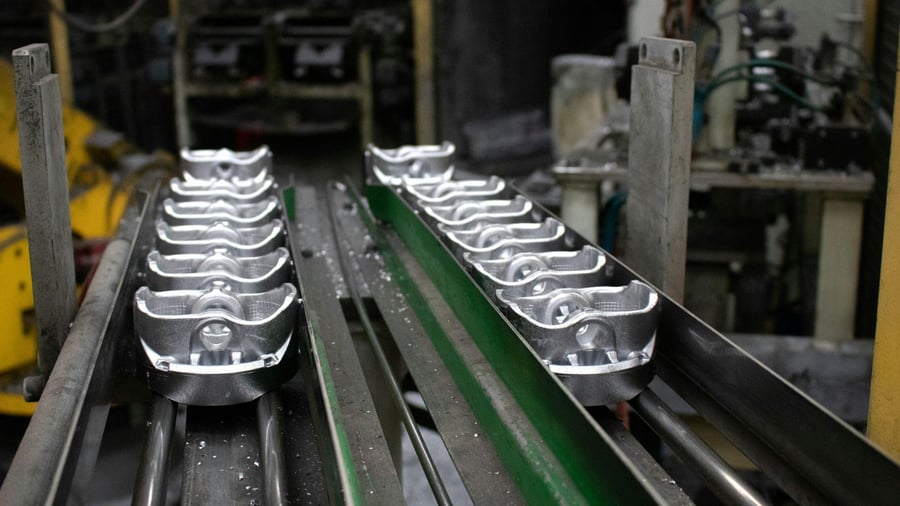
Lean manufacturing is all about working smarter—not harder. It’s a proven approach used in factories and production environments to eliminate waste, streamline processes, and boost productivity. When applied correctly, lean strategies help companies reduce costs, improve quality, and increase output—all without sacrificing customer satisfaction.
This article breaks down the core ideas behind lean manufacturing, how it's used in discrete manufacturing (producing individual items like electronics, cars, or tools), and what companies can expect when putting lean practices into action.
What Is Lean Manufacturing—and Why Does It Matter?
Lean manufacturing is a system designed to produce maximum value with minimal waste. It focuses on improving every step of the production process while eliminating anything that doesn't directly benefit the customer.
Originating from the Toyota Production System in post-war Japan, lean thinking was formally outlined in The Toyota Way. While there are different interpretations of lean methods, they all align with five core principles:
- Understand what customers truly want. Focus every step of your process on delivering value to the end user.
- Map the value stream. Analyze the production workflow to identify steps that add value—and those that don’t.
- Ensure smooth workflow. Eliminate bottlenecks and inefficiencies so that production flows without interruption.
- Produce only what’s needed, when it’s needed. Avoid overproduction and excess inventory by aligning production with actual demand.
- Continuously improve. Lean is not a one-time fix. It’s a mindset of always finding better ways to work.
When these principles are applied, operations become more efficient, faster, and better equipped to compete in a dynamic market.
How Lean Strategies Improve Discrete Manufacturing
In discrete manufacturing—where products are assembled from distinct parts—lean thinking can be a game-changer. Here's how lean strategies help:
- Smarter use of resources Lean tools help companies assess how materials, machines, and people are used—and reorganize them to support value creation.
- Smoother product flow Efficient movement of parts and information reduces delays and eliminates production roadblocks.
- Waste reduction Lean methods focus on the "seven wastes" of manufacturing: overproduction, waiting, excess transport, overprocessing, excess inventory, unnecessary movement, and defects. Eliminating these helps lower operating costs and improve output.
- A culture of continuous improvement Everyone—from machine operators to leadership—is encouraged to find ways to do things better, every day.
- Precision inventory management Concepts like just-in-time production minimize storage costs and reduce waste, ensuring materials arrive only when needed.
By refining each step of the manufacturing process, companies become more agile, more efficient, and better positioned to meet customer needs.
Tackling the Challenges of Lean Implementation
While lean manufacturing has huge upside, implementing it isn’t always smooth sailing. Here are a few common challenges—and how to overcome them:
- Resistance to change Many employees are used to doing things a certain way. To build support, companies must invest in training and education so everyone understands the "why" behind lean.
- Legacy systems and outdated processes Some operations or equipment might not align well with lean principles. Leaders must be open to rethinking workflows and upgrading systems to fit lean goals.
- Data collection and measurement gaps Lean manufacturing relies on accurate, real-time data to track progress and make informed decisions. Companies may need to upgrade digital tools and establish clear metrics to monitor performance effectively.
By addressing these barriers early and building a strong foundation, manufacturers can set themselves up for long-term lean success.
Final Thoughts: Lean Is a Journey, Not a Destination
Lean manufacturing isn’t just a trend—it’s a powerful framework that helps discrete manufacturers create more value while reducing waste. Whether you're looking to cut costs, improve product quality, or speed up production, lean thinking offers the tools and mindset to make it happen.
But remember: lean is not a one-time fix. It’s a continuous improvement journey fueled by data, teamwork, and a willingness to evolve. With the right strategies and a commitment to progress, lean manufacturing can help your business stay competitive, efficient, and future-ready.
Copyright © 2025 California Business Journal. All Rights Reserved.
For California Business Journal Disclaimers, go to /terms-conditions/.


