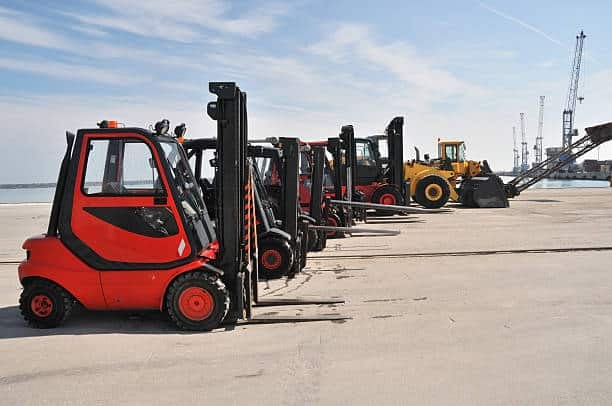
Managing a materials handling fleet is no small feat. The relentless demands of industrial operations, coupled with unpredictable downtime and mounting repair costs, can quickly compromise efficiency and profitability. At the heart of many high-intensity environments, diesel forklifts stand out for their sheer power and endurance. However, their longevity isn’t guaranteed without strategic care and operational discipline.
A reactive approach to maintenance and performance optimisation often leads to preventable setbacks, cutting into productivity and inflating overhead costs. Even the most resilient forklifts can suffer premature wear if mishandled or neglected. Maximising their lifespan requires more than just refuelling. It demands proactive measures that safeguard engine health, improve reliability, and ensure consistent, high-powered output.
This article outlines practical, targeted strategies to help you extract maximum value from your diesel forklift fleet, preserving both power and longevity while keeping operations seamless and cost-efficient.
Prioritise Regular Maintenance
Minor oversights often snowball into costly mechanical issues when left unchecked. Diesel forklifts operate under immense strain, and without a well-structured maintenance routine, critical components like the engine, transmission, and hydraulic systems can wear down prematurely.
Stick to the manufacturer’s service intervals, ensuring timely oil and filter changes and coolant checks, as well as fuel system inspections. Pay close attention to cooling systems, as overheating can cause irreversible damage and unexpected downtime. Keeping air filters clean and tyres properly inflated also reduces engine strain and improves fuel efficiency.
A mindful approach minimises costly repairs, keeps performance stable, and, most importantly, extends your fleet’s lifespan. In the long run, preventive care is far more cost-effective than dealing with failures after they happen.
Use High-Quality Diesel Fuel
Fuel quality has a more significant impact on forklift performance than many operators realise. Substandard diesel introduces impurities that clog injectors, damage components, reduce combustion efficiency, and weaken engine power, accelerating wear.
For cleaner burning and more stable engine operation, opt for premium-grade diesel, especially in high-demand settings. It’s also important to inspect your fuel storage tanks regularly for signs of water contamination or microbial growth, both of which can cause corrosion and blockages. If necessary, fuel additives help improve stability and injector cleanliness, particularly in older engines.
Cleaner fuel enhances efficiency, lowers emissions, and minimises engine-related downtime. It's a simple adjustment that can yield long-term gains in productivity and cost control.
Train Operators for Optimal Usage
Even the most robust diesel forklift can suffer from poor handling. Operator behaviour directly influences how efficiently a machine performs and how long it lasts. Inconsistent training and on-the-job shortcuts put unnecessary strain on critical systems like the drivetrain, hydraulics, and brakes, leading to premature deterioration and frequent breakdowns.
Investing in thorough onboarding and ongoing training ensures operators use forklifts correctly. Prioritise smooth gear transitions, precise throttle control, and mindful braking techniques. Reducing excessive idling is equally crucial, as it wastes fuel and allows carbon deposits to build up inside the engine.
When your team is well-trained in forklift operation, you can extend your equipment’s lifespan and improve its fuel efficiency, and also even maintain a safer, more productive environment.
Avoid Overloading and Misuse
Pushing equipment beyond its limits might seem efficient in the moment, but it often leads to costly consequences. When diesel forklifts are routinely used to lift more than they’re rated for, stress accumulates across the equipment’s multiple internal systems, compromising structural integrity and increasing the risk of sudden mechanical failure in the long run.
Respecting manufacturer-specified load limits is only part of the equation. It’s also important to ensure that operators are using the right attachments for unusual or bulky loads. Improvised lifting techniques may get the job done temporarily, but they often create imbalances that damage hydraulics and drivetrain components.
Managing loads properly and keeping usage within design parameters allows you to protect your investment and maintain consistent output.
Inspect and Replace Wear Components Promptly
While easy to overlook, it’s often the small components that determine how well your forklifts perform under pressure. Tyres, brake pads, forks, and lift chains endure constant stress, and when worn, they strain the engine and hydraulics, leading to inefficiencies and potential breakdowns.
Regular inspections help catch these issues early. Conduct visual checks each shift to spot cracks, thinning, or misalignments before they escalate. Relying solely on scheduled servicing can mean missing warning signs. Don’t wait for a failure to take action; replace worn parts on time to maintain the forklift’s balance and reduce drag, as well as prevent damage to more expensive internal systems.
Indeed, staying ahead of wear not only extends the life of your diesel forklifts but also improves safety and ensures smoother operations.
Store Forklifts Properly
Where and how you store your equipment has a direct effect on performance. Exposure to harsh weather, fluctuating temperatures, and airborne contaminants can cause premature wear of internal and external components. Over time, this kind of neglect can lead to significant issues, from corrosion and electrical faults to fluid degradation, that can compromise reliability.
Whenever possible, park forklifts in covered or enclosed spaces to protect them from rain, dust, and prolonged sun exposure. For long-term storage, use stabilisers to prevent tyre pressure loss and keep fuel tanks full to reduce moisture build-up. Batteries also require occasional checks to ensure they remain charged and functional.
With thoughtful storage practices, your fleet is more likely to perform consistently and require fewer interventions between jobs.
Monitor Usage with Telematics and Digital Logs
Optimising forklift performance starts with understanding how your fleet is used. Without accurate data, inefficiencies can go unnoticed, leading to unnecessary strain on critical components and higher maintenance costs. Modern telematics systems provide real-time insights that help operators maintain peak efficiency while preventing unnecessary stress on vital systems.
Tracking engine hours, fuel consumption, idle time, and other metrics allows you to pinpoint usage patterns that may be shortening machine lifespan. Likewise, identifying underperforming units and adjusting operational strategies based on data ensures forklifts run efficiently. Automated alerts further help prevent mechanical issues before they escalate.
By leveraging telematics, you enhance efficiency, reduce unplanned downtime, and ensure your diesel forklifts operate at full power for longer.
Extending the power and longevity of your diesel forklift fleet requires a proactive approach, not just reacting to issues as they arise. Otherwise, you risk expensive repairs and operational setbacks. Future-proof your fleet by assessing your current practices, identifying weak points, and refining your system accordingly. The tips outlined here provide a strong foundation, but feel free to tailor them to your unique needs. Whether you implement these strategies or seek expert guidance, a strategic mindset ensures efficiency and reliability of the equipment, as well as long-term cost savings.
Copyright © 2025 California Business Journal. All Rights Reserved.
For California Business Journal Disclaimers, go to /terms-conditions/.


