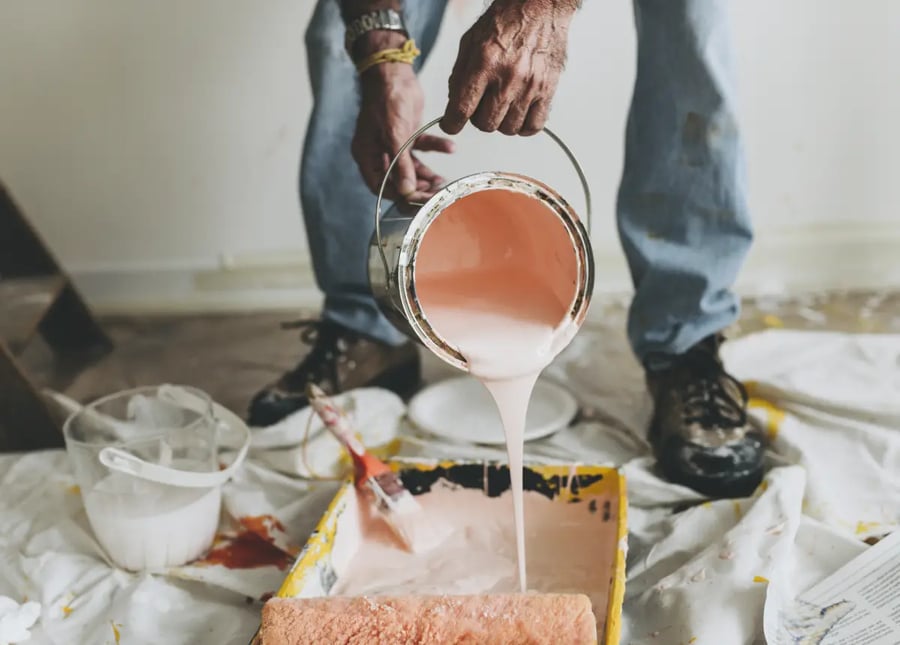
South Auckland homes sit under a demanding mix of rain, sun, humidity, and salt carried inland by wind. Paint here is more than decoration, since it forms a protective skin over timber, plaster, fibre cement, and metal. A specialist house painter reads those conditions before work begins. That judgment helps prevent moisture entry, surface decay, and premature coating failure while keeping family spaces clean, bright, and easier to maintain.
1. Coastal Weather Tests Paint
Wind-driven moisture and salt residue can weaken coatings long before owners notice flaking. Sun then bakes exposed walls, making brittle paint split around joints. Local homeowners often compare guidance from house painters in South Auckland before choosing primers, sealers, and topcoats for weatherboards or masonry. Product fit matters because each surface expands, dries, and absorbs differently throughout the year.
2. Older Homes Need Careful Preparation
Many houses in South Auckland have old coating layers, repaired boards, and hidden damp spots. A specialist does not paint over these clues. Scraping, sanding, washing, filling, and spot priming create a stable base. That preparation may also reveal soft timber, failed putty, or hairline gaps before water travels deeper into framing.
3. Local Cladding Varies Widely
Weatherboard, brick, concrete, plaster, and fibre cement need different treatment. No single paint system can serve every wall well. Porous materials may need sealing, while glossy surfaces often require abrasion for grip. A trained painter checks adhesion, chalking, and absorption first. This step reduces blistering, patchy sheen, and early peeling after seasonal movement.
4. Moisture Control Matters
Moisture often gathers near window sills, bathrooms, eaves, and shaded south-facing walls. These areas can stay damp for hours after rain. A specialist looks for staining, mould, swollen trims, and failed sealant. Breathable coatings, correct caulking, and sound priming help manage vapour movement. Better moisture control protects linings, fixings, and surrounding timber.
5. Colour Choice Affects Heat
Colour selection can affect surface temperature. Very dark shades absorb more solar heat, especially on north-facing walls and exposed fences. Heat stress may cause timber movement, resin bleed, or coating fatigue. A specialist can suggest colours with suitable reflectance and durability data. Owners still get strong curb appeal without placing extra strain on cladding.
6. Safety Standards Are Essential
Upper-storey walls, stairwells, gables, and roof edges need safe access. Skilled painters plan ladder placement, platform use, and fall control before opening a tin. That care protects workers, residents, pets, and visitors. Safe positioning also improves brush control around trims, soffits, and high corners, where rushed work often leaves thin coverage.
7. Interiors Need Healthy Finishes
Interior coatings influence how rooms smell, feel, and breathe after painting. Low-odour, low-emission paints suit bedrooms, nurseries, and shared living spaces. Kitchens, hallways, and bathrooms need washable finishes that resist steam, fingerprints, and food marks. A specialist matches the sheen to use, so walls remain practical without looking harsh under natural light.
8. Rental Properties Need Durability
Rental homes often receive heavier daily wear than owner-occupied properties. Door frames, skirtings, halls, and kitchens take repeated knocks and cleaning. Durable enamel or acrylic systems can extend repainting cycles. A specialist helps landlords select finishes that tolerate scrubbing, resist scuffs, and support healthier tenancy standards without constant touch-ups between occupants.
9. Selling Homes Requires Presentation
Buyers read paint condition quickly, even before asking about plumbing or insulation. Peeling trim, stained ceilings, and faded exterior walls suggest deferred upkeep. Fresh, well-prepared paint gives rooms cleaner edges and stronger light reflection. A specialist focuses effort where viewing pressure is highest, including entries, lounges, kitchens, bathrooms, and street-facing elevations.
10. Skilled Work Saves Money
Low-cost painting can fail early if washing, repairs, or priming are skipped. Once peeling starts, labour and material costs rise because old, failed material must be removed. Specialist work aims to achieve longer coating life through proper preparation and product selection. That approach reduces waste, protects building fabric, and supports steady property value.
Conclusion
South Auckland homes need painting decisions based on climate, cladding, moisture behaviour, and everyday use. A specialist house painter brings that practical knowledge to preparation, coating choice, colour advice, and safe access. The result is usually a cleaner finish with better resistance to water, heat, and wear. For owners, families, and landlords, expert painting is a sensible form of home protection, not just a visual upgrade.
Copyright © 2026 California Business Journal. All Rights Reserved.
For California Business Journal Disclaimers, go to /terms-conditions/.


