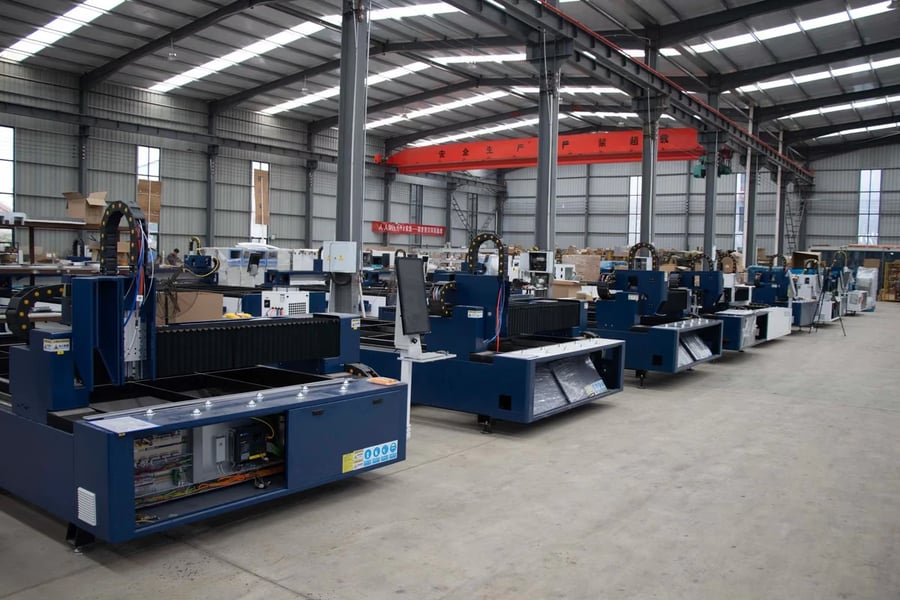
Manufacturers constantly seek ways to improve production, reduce manual work, and maintain product quality. In electrical panel and power distribution industries, accurate busbar cutting, punching, and bending are essential to avoid costly errors.
CNC busbar processing machines offer greater precision and automation, but purchasing one requires careful planning. Before investing, manufacturers should consider their production needs, machine performance, operating costs, and long-term benefits rather than focusing only on price.
1. Understand Your Production Requirements
The first step is to understand what your manufacturing operation actually needs. Not every business requires the same level of automation or processing capacity.
For example, a small electrical panel manufacturer may handle limited production runs, while a large industrial facility might process hundreds of busbars every day.
Before purchasing equipment, consider:
The average number of busbars processed daily.
The thickness and width of materials you commonly use.
Whether you need cutting, punching, bending, or all three operations.
Your current production speed and future targets.
The variety of busbar designs your customers require.
And don't overlook future demand. A machine that works perfectly for today's production volume might struggle when orders increase.
2. Check Machine Accuracy and Performance
Precision is vital in busbar manufacturing, as measurement or processing errors can cause material waste and installation problems. CNC technology improves accuracy, reduces manual errors, and ensures consistent results, but machine performance varies between models.
Pay attention to:
Positioning accuracy.
Bending consistency.
Punching precision.
Cutting quality.
Repeatability during continuous production.
Ask the supplier for practical demonstrations using the materials you normally process. Seeing the machine work is much more useful than relying on specifications alone.
3. Evaluate the Total Cost of Ownership
The purchase price is only one part of the investment. Manufacturers should also calculate the long-term operating expenses.
A relatively inexpensive machine may become costly if it requires frequent repairs, expensive replacement parts, or extensive maintenance.
Here's a simple comparison of costs worth reviewing:
Cost factor | What to consider |
|---|---|
Initial purchase | Machine price and included accessories |
Installation | Setup, transportation, and commissioning |
Training | Operator and technical training expenses |
Maintenance | Routine servicing and inspections |
Spare parts | Availability and replacement costs |
Energy consumption | Electricity usage during operation |
And don't forget downtime. If a machine stops working during a busy production period, delayed orders can affect customer relationships as well as revenue.
4. Check Supplier Experience and After-Sales Support
Choosing the right supplier is just as important as choosing the right machine.
A reliable manufacturer should provide clear technical information, installation guidance, operating instructions, and ongoing support. It's also worth checking whether replacement parts are readily available.
Before placing an order, ask questions about warranty coverage, maintenance assistance, response times, and operator training.
Manufacturers researching available equipment can read more about busbar machinery and its applications. Reviewing the available solutions can help businesses understand which equipment may suit their production requirements.
5. Think About Future Production Flexibility
Manufacturing requirements change. New customers may request different busbar dimensions, production volumes may increase, or product designs may become more complicated.
That's why flexibility deserves attention.
When evaluating CNC busbar processing machines, consider whether the equipment can accommodate different material sizes, processing programs, and production requirements.
A flexible machine gives manufacturers more room to adapt without replacing their entire setup whenever business needs change.
Final Thoughts
Investing in CNC busbar processing equipment can improve production quality, efficiency, and long-term business growth. Before purchasing, consider accuracy, capacity, automation, maintenance costs, supplier support, and future flexibility. Choosing the right machine ensures reliable performance, reduces production challenges, and supports your business's growing needs.
Copyright © 2026 California Business Journal. All Rights Reserved.
For California Business Journal Disclaimers, go to https://calbizjournal.com/terms-conditions/.


