
Timing Is More Than Picking the Right Moment
Oil prices can change within hours, but an oil field may take years to develop. Companies often have to commit millions of dollars before they know what prices will be when production starts.
The uncertainty means that it is especially hard to judge the right time in the energy industry, since acting too early could result in incurring unnecessary costs and waiting too long could mean missing out on a chance entirely.
For energy companies, the question of when to act is a matter of business judgment. Before agreeing to carry out a project, companies must work out its cost, identify any possible delays in production, and assess whether they have the necessary resources to get it completed. Although forecasts of commodity prices can assist in making these decisions, companies also have to decide when to act, when to wait, and what conditions must be met before proceeding.
Energy Runs on Multiple Timelines at Once
A company might be ready to develop an oil or gas property but still be waiting for financing, permits, or transportation arrangements. Each of these follows a different schedule, and a delay in one area can affect the entire project.
Here’s how these timelines can differ:
Oil and natural gas prices respond to changes in supply and demand, weather conditions, and geopolitical events. Rising prices can improve a project’s expected returns; a sudden decline may force companies to revise their revenue forecasts.
Project development follows a much longer schedule. Companies may need to assess a site’s geology, secure permits, arrange for equipment, and complete construction before production can begin. Depending on the project’s scale and complexity, this process can take months or years.
Companies also need time to arrange financing. Investors and lenders review the project’s financial outlook before committing funds; during negotiations, changes in interest rates or financing terms can affect the cost of borrowing and the project’s expected returns.
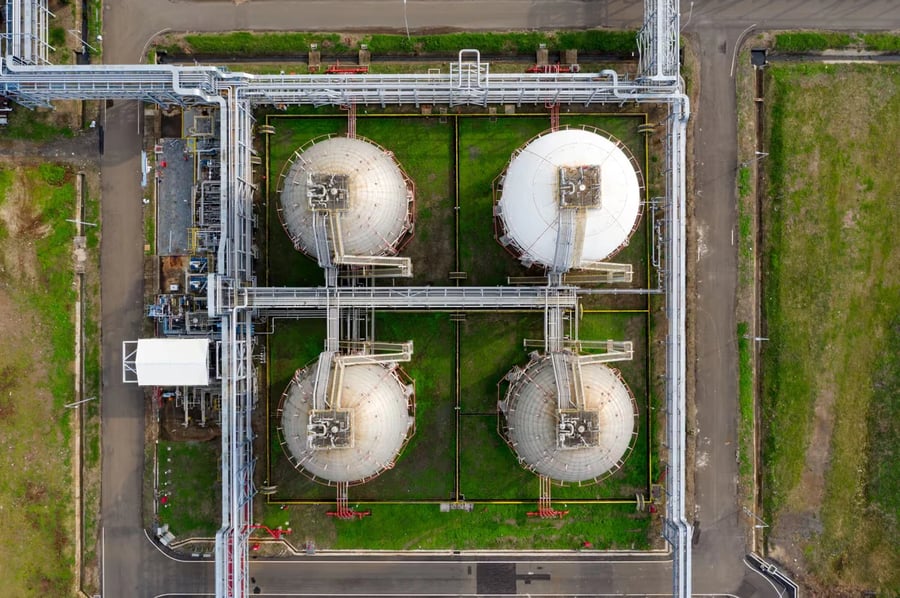
Infrastructure development, including pipelines, processing facilities, and transportation networks, takes place on its own timetable. Limited capacity or construction delays can affect when oil or natural gas reaches the market.
Beyond financing and infrastructure, acquisition and development projects depend on agreements with landowners, suppliers, contractors, and operating partners. Negotiating these agreements can affect when work begins.
Why Acting Too Early Can Be Just as Problematic as Acting Too Late
Consider a company that acquires a natural gas property but has limited pipeline access. Even if the wells can produce substantial volumes, transportation constraints may force the company to accept lower local prices. In 2024, pipeline constraints in the Permian Basin contributed to unusually low natural gas prices at the Waha Hub.
There is the risk of getting the numbers wrong. If a company underestimates drilling costs or overestimates how much a new well will produce, it may spend more than planned and earn less revenue than expected.
Expansion can also become more expensive during periods of heavy drilling activities. As operators compete for equipment and skilled workers, contractors may raise their rates, increasing the cost of new projects. Yet delaying an investment has consequences too. Another buyer could acquire the property, or the financing terms available today may no longer be offered.
Commodity Prices Are Only One Part of the Timing Decision
Higher oil prices may encourage some producers to expand, but the decision depends on what their wells cost to develop and operate. A company with low-cost production may see room for another drilling project, while one facing higher costs may decide that the expected returns are not enough to justify the expense.
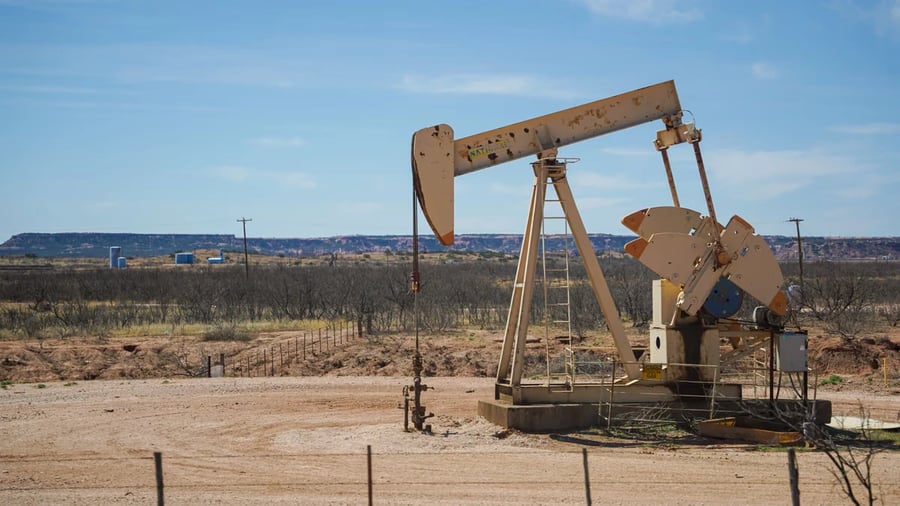
The difference becomes clearer when looking at breakeven prices. In the first-quarter 2026 Dallas Fed Energy Survey, responding firms reported needing an average West Texas Intermediate (WTI) oil price of $66 per barrel to profitably drill a new well. The average price needed to cover operating expenses at existing wells was about $43 per barrel. An operator may therefore be able to keep existing wells running even when prices are too low to justify drilling new ones.
For an operator, that difference matters when deciding whether to maintain existing wells or commit money to new drilling.
The Value of Knowing When to Wait
Waiting can give an energy company time to answer questions that could change the value of an investment. For example, additional geological data might reveal that a property has less production potential than initially estimated.
An energy company may have good reasons to delay an acquisition, particularly when the available information does not support the seller’s asking price. Suppose an operator is considering an oil-producing property whose projected output appears higher than the existing well records suggest. This could give the operator a stronger basis for negotiating the price.
Waiting can also give a company time to secure a suitable operating partner or arrange financing. In either case, management should have a clear reason for delaying the decision and know what would justify moving ahead.
A delay becomes useful when management knows what information or conditions would change its decision. Without that, the company risks spending months reconsidering the same opportunity without getting any closer to an answer.
When Timing Becomes a Competitive Advantage
Market changes can open opportunities that were unavailable only months earlier. An operator facing financial pressure, for example, may decide to sell producing wells to raise cash. Another company that has already studied those assets and secured access to capital could be in a position to make an offer before other buyers finish their assessments.
That preparation often begins well before an asset becomes available for sale. A company may already know the area’s production history, have relationships with local operators, or have financing arrangements it can draw on. When a suitable property comes onto the market, it can spend less time gathering basic information and more time assessing the terms of the deal.
Having that groundwork in place can shorten the time between identifying a property and deciding whether to make an offer.
What Investors Can Learn From Energy’s Approach to Timing
Before committing funds, investors should conduct proper due diligence to understand what the project’s expected returns depend on what risk could prevent those returns from materializing.
Look Beyond Current Market Prices
Ask what oil or gas price the project needs to cover its costs. A production forecast may look profitable at today’s prices but produce very different results if prices fall.
Understand What Still Needs to Happen
Find out whether permits have been secured, financing is in place, and transportation arrangements are confirmed. If any of these remain unresolved, ask how a delay could affect the project’s costs and expected start of production.
Examine the Operator’s Track Record
Ask these: has the operator managed similar projects before? How closely have previous projects followed their budgets and production forecasts? Past performance cannot guarantee future results, but it can give investors useful information about the operator’s ability to carry out its plans.
Conclusion
Few energy companies have the luxury of waiting until every uncertainty is resolved. Prices will change, development costs may rise, and a promising asset could attract another buyer. At some point, management has to decide whether the information available is enough to justify a commitment.
That decision matters because some mistakes are expensive to reverse. A company can reconsider its forecasts or adjust its plans, but recovering money already spent on an unsuccessful project may be much harder. Knowing which risks to accept, and which deals to leave alone, is an important part of timing in the energy business.
Copyright © 2026 California Business Journal. All Rights Reserved.
For California Business Journal Disclaimers, go to https://calbizjournal.com/terms-conditions/.


