Life rarely sticks to a predictable financial schedule. Unexpected expenses are common, and they can disrupt even a carefully planned budget. Learning how to prepare for unexpected expenses can help reduce stress and provide a clear path forward when financial surprises happen.
Financial planners advice to prepare rather than to react. When you plan for unexpected expenses, you have more options and control. Whether it’s about having savings, adjusting your budget, or understanding short-term funding tools, the aim is to have a safety net that helps you manage sudden costs without long-term financial strain.
Below are practical strategies that can help you prepare for unexpected expenses and handle them with confidence.
Why Unexpected Expenses Are So Common
Unexpected costs are part of everyday financial life. Emergencies do not only affect people who struggle financially—they can impact anyone. Medical bills, urgent home repairs, or sudden travel for family needs can appear without warning.
Research shows that many Americans would find it difficult to cover a $400 emergency expense without borrowing money or selling something. That statistic highlights why it is important to plan ahead rather than rely on luck.
Some of the most common unexpected expenses include:
- Emergency medical visits or prescriptions
- Vehicle repairs
- Urgent home maintenance, such as plumbing or electrical work
- Temporary loss of income
- Travel for family emergencies
- Replacement of essential appliances
These costs rarely arrive when it is convenient. Preparing for them ahead of time helps reduce financial pressure and allows you to respond calmly instead of scrambling for solutions.
Build an Emergency Fund First
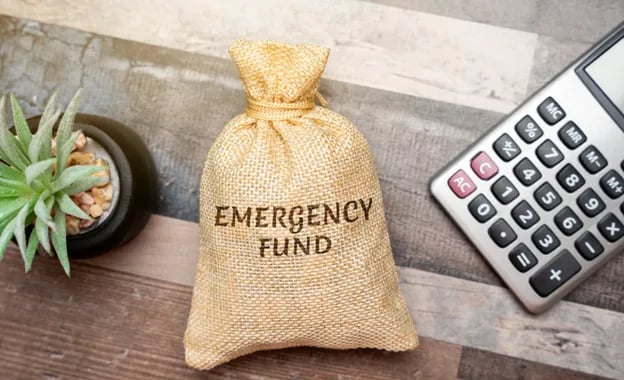
The most effective strategy for handling financial surprises is creating an emergency fund. This is money set aside specifically to cover unanticipated expenses without disrupting your daily budget.
Many financial advisors recommend saving three to six months of living expenses. That goal may sound overwhelming at first, but the key is to start small and stay consistent.
Practical steps to build emergency savings
Start with a realistic goal
Setting an initial target of $500 or $1,000 can create momentum. Even a modest safety cushion can help with smaller emergencies.
Automate your savings
Scheduling automatic transfers to a savings account makes the process easier. Small weekly contributions can grow steadily over time.
Use unexpected income wisely
Tax refunds, work bonuses, or cash gifts can accelerate your emergency fund if you direct part of that money into savings.
Keep the money separate
An emergency fund should be stored in a dedicated savings account so it is not mixed with everyday spending.
The Consumer Financial Protection Bureau (CFPB) notes that households with even a small emergency fund are significantly more likely to recover quickly from financial shocks.
Create a Budget That Includes the Unexpected
A realistic budget should not assume that life will always go according to plan. Instead, it should account for the possibility of irregular expenses.
One of the most effective ways to plan for unexpected expenses is by creating a flexible budget that includes room for surprises.
Steps to build a more resilient budget
Track your spending patterns
Review bank statements and expenses over the past several months. Many people discover that “unexpected” costs actually occur more frequently than they realize.
Add a miscellaneous category
Setting aside a small amount each month for irregular costs can help absorb financial surprises.
Prioritize essential expenses
Housing, food, utilities, and transportation should always come first in your financial plan.
Review your budget regularly
Monthly financial check-ins help identify areas where spending can be adjusted before problems develop.
Budgeting does not eliminate emergencies, but it ensures that you are better prepared to manage them when they arise.
Understand Short-Term Financial Tools
Even with strong savings habits, there may be times when an emergency arrives before you have built a full financial cushion. In these situations, it helps to understand what short-term financial tools are available.
For example, some individuals explore services offering emergency cash advance online when they face urgent bills before their next paycheck. These services are designed to provide temporary financial relief while individuals stabilize their budgets.
Another option may include an instant cash advance, which can help address time-sensitive expenses such as:
- Urgent car repairs to commute to work
- Utility bills are approaching their due date
- Medical co-payments or prescription costs
It’s important to review the options before making a decision. Responsible borrowing means understanding repayment timelines, potential fees, and how the product fits within your broader financial plan.
Platforms that offer instant cash advance online operate as marketplaces rather than direct lenders. The service connects users with lenders that may offer short-term loan options depending on eligibility and state regulations.
Reduce the Impact of Financial Emergencies
Preparing for financial surprises also involves reducing the risk that unexpected costs will become overwhelming.
Several proactive strategies can help limit the financial impact of emergencies.
Maintain appropriate insurance coverage
Insurance is one of the most effective ways to protect against large financial shocks. Policies such as health insurance, auto insurance, and renters or homeowners' insurance can significantly reduce out-of-pocket costs during emergencies.
The Insurance Information Institute notes that adequate insurance coverage often prevents minor incidents from turning into major financial setbacks.
Maintain essential systems
Routine maintenance can prevent expensive breakdowns. Regular vehicle servicing, appliance inspections, and home maintenance checks can reduce the likelihood of sudden repair costs.
Protect your credit profile
Maintaining a healthy credit history may provide more financial flexibility if borrowing becomes necessary. Paying bills on time and keeping credit utilization low can help support long-term financial stability.
Build additional income flexibility
Side work, freelance projects, or part-time opportunities can create additional financial breathing room. Even occasional supplemental income can strengthen your ability to handle unexpected costs.
These steps do not eliminate emergencies, but they can reduce their impact and make recovery faster.
Build Habits That Strengthen Financial Stability
Preparing for unexpected situations is not a one-time task. It’s a long-term habit that develops through consistent financial decisions.
Households that review their finances regularly and have savings are better equipped to handle unexpected costs.
Several habits can help strengthen your financial foundation:
Review finances monthly
Regular check-ins help you stay aware of spending patterns and upcoming obligations.
Avoid lifestyle inflation
As income increases, prioritizing savings over additional spending can strengthen financial security.
Pay down high-interest debt
Reducing debt improves monthly cash flow and frees up money for savings.
Set clear financial goals
Goals such as building an emergency fund or improving credit help maintain focus and motivation.
Over time, these habits create a financial system that can absorb unexpected challenges without causing long-term disruption.
Planning Ahead Makes Financial Surprises Easier to Manage
Unexpected expenses are an unavoidable part of life. The difference between financial stress and financial stability often comes down to preparation.
When you understand how to prepare for unexpected expenses, you gain several advantages:
- More confidence when emergencies occur
- Less reliance on high-cost borrowing
- Greater control over your financial decisions
- Faster recovery from financial setbacks
Even small steps—saving a little each month, adjusting your budget, or learning about available financial tools—can significantly improve your financial resilience.
Take Control of Unexpected Expenses Today
Planning ahead is the most effective way to manage financial surprises. Start by building an emergency fund, reviewing your monthly budget, and exploring tools that can support you when unexpected costs arise.
If you’re currently facing a short-term financial gap, services like CashAdvance.io can help you explore potential lender options quickly and securely.
Submit a request today to check your options and see what may be available in your state. CashAdvance.io connects users with trusted lenders in its network, helping people explore short-term funding solutions when they need them most.
Copyright © 2026 California Business Journal. All Rights Reserved.
For California Business Journal Disclaimers, go to /terms-conditions/.


