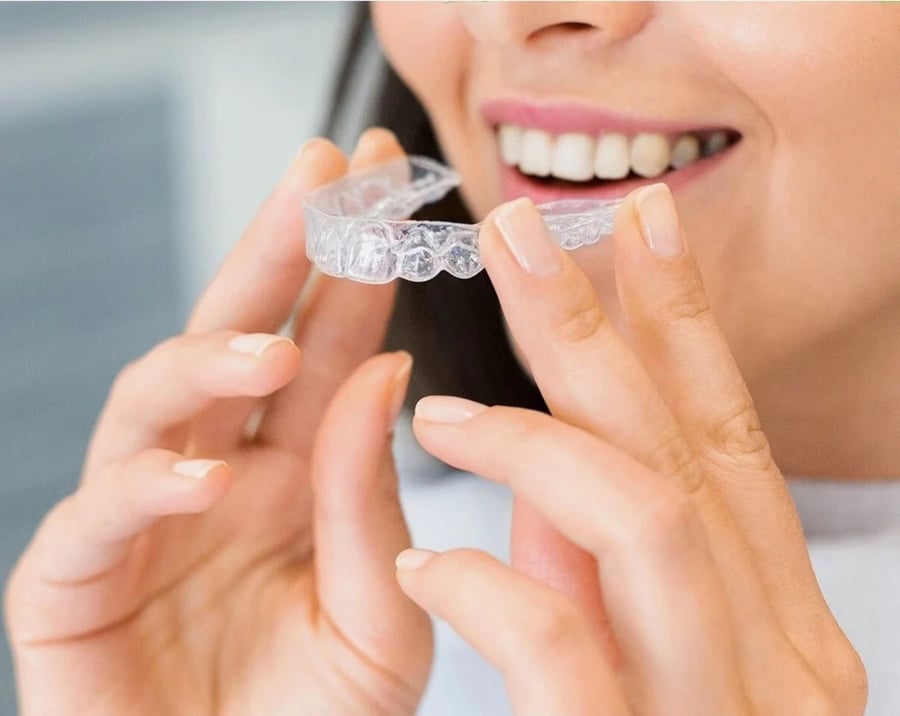
Deciding between clear aligners and traditional braces is one of the most common questions patients face when beginning their orthodontic journey. Both treatment options can deliver stunning, straight smiles — but they work differently, look different, and suit different lifestyles. Whether you're an adult professional, a busy parent, or a teenager navigating school life, understanding the key differences can help you make a confident, informed choice. If you're exploring your options, read on to discover which path might be right for you.
What Are Clear Aligners?
Clear aligners are custom-made, removable trays crafted from smooth, BPA-free plastic. They fit snugly over your teeth and apply gentle, consistent pressure to gradually shift them into their ideal positions. Each set of trays is worn for approximately one to two weeks before being swapped for the next set in the series.
Popular brands like Invisalign have made clear aligners a household name, but the technology has expanded significantly. Today, many dental practices offer clear aligner treatment in Houston using advanced digital scanning and 3D modeling to create precise, personalized plans for each patient.
What Are Traditional Braces?
Traditional braces consist of metal brackets bonded directly to the teeth, connected by archwires and secured with small elastic bands. Your orthodontist periodically tightens or adjusts the wires to guide tooth movement over time. Modern braces are much sleeker than older versions, and options like ceramic braces offer a more discreet appearance while still using fixed hardware.
Key Differences Between Clear Aligners and Braces
Appearance
This is often the deciding factor for many patients. Clear aligners are invisible when worn, making them especially popular among adults and teens who feel self-conscious about their smile during treatment. Traditional metal braces, while functional and effective, are visually prominent. Ceramic braces blend better with tooth color but can still be noticeable up close.
Comfort
Clear aligners are made from smooth plastic with no sharp edges, reducing irritation to the cheeks and gums. Braces, in the days following an adjustment, can cause soreness and occasionally scratch the soft tissue inside the mouth. However, both options involve some level of discomfort as teeth move — this is completely normal and manageable with over-the-counter pain relievers.
Removability
One of the biggest advantages of clear aligners is that they can be removed for eating, drinking, brushing, and flossing. This means no food restrictions and easier oral hygiene maintenance. Traditional braces are fixed in place, requiring patients to avoid hard or sticky foods and navigate cleaning around brackets and wires.
Treatment Duration
The length of treatment varies based on the complexity of each case. On average:
Clear aligners: 6 to 18 months for mild to moderate cases
Traditional braces: 18 months to 3 years depending on severity
However, clear aligners are only as effective as the patient's compliance. They must be worn 20 to 22 hours per day to achieve the expected results. Patients who frequently remove their aligners may experience extended treatment timelines.
Effectiveness for Complex Cases
Traditional braces have a long track record of treating a wide range of orthodontic issues, including severe crowding, significant bite problems, and complex tooth rotations. Clear aligners have improved dramatically in recent years and can now address many moderate to complex cases. However, some highly complex issues may still be better managed with traditional braces or a combination approach.
Who Is a Good Candidate for Clear Aligners?
Clear aligners in Houston are an excellent option for a wide range of patients. You may be a strong candidate if you:
Have mild to moderate crowding, spacing, or bite issues
Are a working adult or professional who values discretion
Maintain strong oral hygiene habits
Can commit to wearing aligners for the recommended daily hours
Want the flexibility to remove trays for special events or meals
Clear aligners are also popular among teens, though parental guidance and patient discipline play a role in their success at younger ages.
Who Might Benefit More from Braces?
Traditional braces may be the better choice if you or your child:
Have severe crowding, large gaps, or significant bite misalignment
Require complex tooth movements that aligners may struggle to achieve
Have difficulty committing to wearing removable trays consistently
Are younger children whose teeth are still developing
Your dentist or orthodontist will evaluate your dental records, X-rays, and oral health history to recommend the most appropriate treatment option for your unique situation.
Cost Comparison
Cost is a practical consideration for most families. In general:
Traditional braces typically range from $3,000 to $7,000 depending on the complexity and location
Clear aligners typically range from $3,000 to $8,000 for comprehensive treatment
Many dental insurance plans cover a portion of orthodontic treatment regardless of the method chosen. Flexible payment plans and financing options are also widely available, making both options accessible to a broader range of patients. If you're looking into clear aligners Houston providers, be sure to ask about available payment plans during your consultation.
Oral Hygiene During Treatment
Maintaining good oral hygiene is critical no matter which treatment you choose. With clear aligners, you remove the trays before brushing and flossing — making it easy to keep your teeth clean throughout treatment. With braces, you'll need to use special tools like interdental brushes and floss threaders to clean around the hardware effectively. Neglecting oral hygiene with braces can increase the risk of cavities and gum disease.
Life After Treatment: Retainers
Once your orthodontic treatment is complete — whether with aligners or braces — you'll need to wear a retainer to maintain your results. This is true for both treatment options. Without a retainer, teeth have a natural tendency to shift back toward their original positions over time. Your provider will give you specific instructions based on your treatment and individual needs.
Making the Right Choice for Your Smile
Ultimately, the best orthodontic treatment is the one that fits your lifestyle, budget, and clinical needs. Both clear aligners and braces are proven, effective tools for creating beautifully aligned smiles. The most important step is to consult with a qualified dental professional who can assess your specific situation and guide you toward the most suitable option.
If you're in the Houston area and curious about which path is right for you, scheduling a consultation is the best place to start. A knowledgeable provider can walk you through the process, show you what your smile could look like, and help you move forward with confidence.
Conclusion
Choosing between clear aligners and braces doesn't have to be overwhelming. By understanding the differences in comfort, appearance, flexibility, and effectiveness, you're already better equipped to have a productive conversation with your dental provider. Whether you prioritize discretion, flexibility, or tackling a complex case, there's an orthodontic solution designed to meet your needs. Take the first step today — your ideal smile is closer than you think.
Copyright © 2026 California Business Journal. All Rights Reserved.
For California Business Journal Disclaimers, go to https://calbizjournal.com/terms-conditions/.


