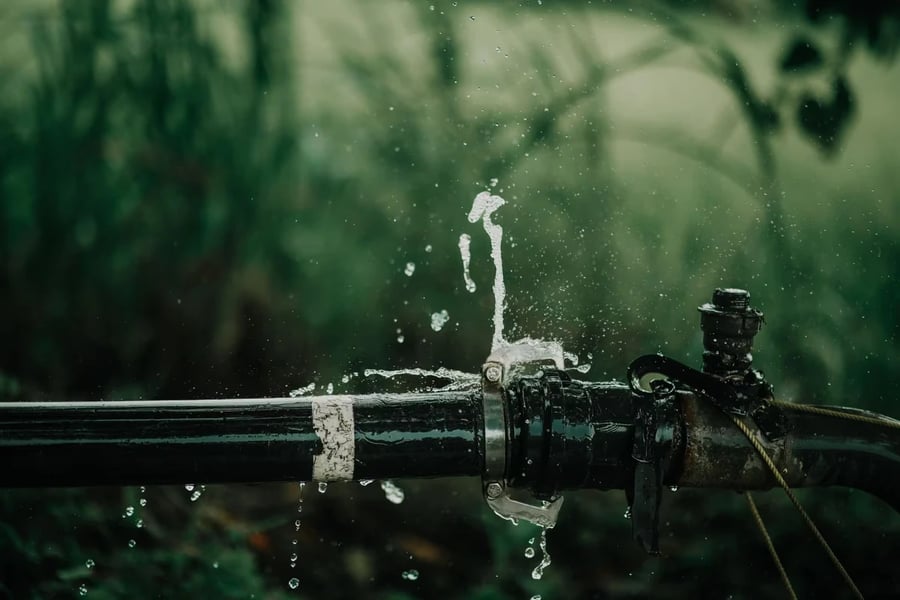
Homeowners can prevent pipe damage by insulating pipes before cold weather, checking for leaks regularly, keeping drains clear, managing water pressure, and protecting outdoor plumbing and sewer lines year-round. Each season brings its own risks, from freezing in winter to root growth in spring. When damage does happen, professional pipe repair in Youngstown can fix the problem before it spreads and causes costly water damage.
This guide walks through what to do in each season, the warning signs of damaged pipes, and when to call a plumber.
Winter: Preventing Frozen Pipes
Winter is the hardest season on plumbing. Water expands as it freezes, and that pressure can crack or burst a pipe. Preventing frozen pipes takes a few simple steps:
Insulate exposed pipes in basements, crawl spaces, garages, and exterior walls with foam sleeves or wrap.
Disconnect garden hoses and shut off exterior spigots before freezing weather.
Seal drafts near pipes, such as gaps around where lines enter the house.
Keep your home heated, even if you are away. Do not let the temperature drop too low.
If a pipe freezes and no water comes out, shut off the main water valve and call a plumber. Do not use an open flame to thaw it, since that creates a fire risk.
Spring: Check for Winter Damage and Roots
As temperatures rise, frozen pipes thaw and hidden damage can show itself. Spring is a good time to inspect your plumbing.
Look for new leaks under sinks, in the basement, and around the water heater.
Check ceilings and walls for stains or bubbling paint that may point to a leak.
Watch your drains. Slow drains or gurgling can mean roots or buildup are affecting your sewer line.
Tree roots grow actively in spring and can enter small cracks in underground lines. If you have recurring clogs or large trees near your sewer line, consider learning about the purpose of a sewer camera inspection, which lets a plumber see inside the pipe without digging. Understanding tree root intrusion in sewer lines can also help you recognize potential problems and take preventive action before they cause serious pipe damage.
Summer: Manage Heavy Water Use and Pressure
Summer often means more laundry, more guests, sprinklers, and longer showers. That extra demand can expose weak spots.
Check water pressure. High pressure strains pipes, fittings, and appliances. A plumber can test it and replace a failing regulator.
Inspect irrigation and outdoor lines for leaks or soggy patches.
Look at washing machine hoses for bulges, cracks, or corrosion.
Watch your water bill. A sudden jump can signal a hidden leak.
Fall: Prepare for Cold Weather
Fall is the best time to get ahead of winter.
Drain and store garden hoses.
Shut off and drain outdoor spigots if your home has shutoff valves.
Add insulation to any exposed pipes you noticed in winter.
Clear leaves and debris from outdoor drains and gutters so water flows away from the foundation.
Test your main shutoff valve and make sure everyone in the home knows where it is.
Flush or inspect your water heater according to the manufacturer’s guidance.
A fall inspection can also catch small problems before the cold makes them worse.
Year-Round Habits That Protect Your Pipes
Some habits help in every season:
Keep grease, wipes, and food scraps out of drains. These cause clogs and strain pipes.
Avoid harsh chemical drain cleaners, which can damage pipes.
Fix small drips and running toilets promptly.
Know where your main shutoff is and test it once a year.
Schedule a yearly plumbing inspection, especially in older homes.
Signs of Damaged Pipes
Catching damage early usually means a smaller repair. Watch for these signs of damaged pipes:
Water stains on ceilings, walls, or floors
Musty odors or visible mold
Rusty, discolored, or cloudy water
Sudden drops in water pressure
A water bill that rises without explanation
Plumbing pipe leaks can hide inside walls or under floors, so do not wait for a puddle. A moving water meter with all fixtures off is a useful clue.
When To Call a Plumber
Some problems are safe to monitor, and others need professional help. Call a plumber if:
You find a leak you cannot stop or locate
A pipe has frozen, cracked, or burst
You see signs of damage inside walls, ceilings, or floors
Several drains are slow or backing up
A pipe that is aging or corroded throughout may need more than a patch. A plumber can explain whether repair or replacement makes sense.
Final Thoughts
Protecting your pipes is a year-round job. Insulate in winter, inspect in spring, manage pressure in summer, and prepare in fall. Pair those habits with a yearly professional check, and you can catch most problems while they are still small and inexpensive to fix.
If you notice signs of pipe damage or want help preparing your home, Mr. Rooter Plumbing of Youngstown can help. Contact them to request a quote or schedule a service visit, and protect your home from costly water damage.
Frequently Asked Questions
How do I keep my pipes from freezing?
Insulate exposed pipes, disconnect hoses, seal drafts, keep your home heated, and let a faucet drip during very cold nights.
What should I do if a pipe bursts?
Shut off the main water valve right away, turn off power near the water if it is safe, move belongings, and call a plumber.
Copyright © 2026 California Business Journal. All Rights Reserved.
For California Business Journal Disclaimers, go to https://calbizjournal.com/terms-conditions/.


