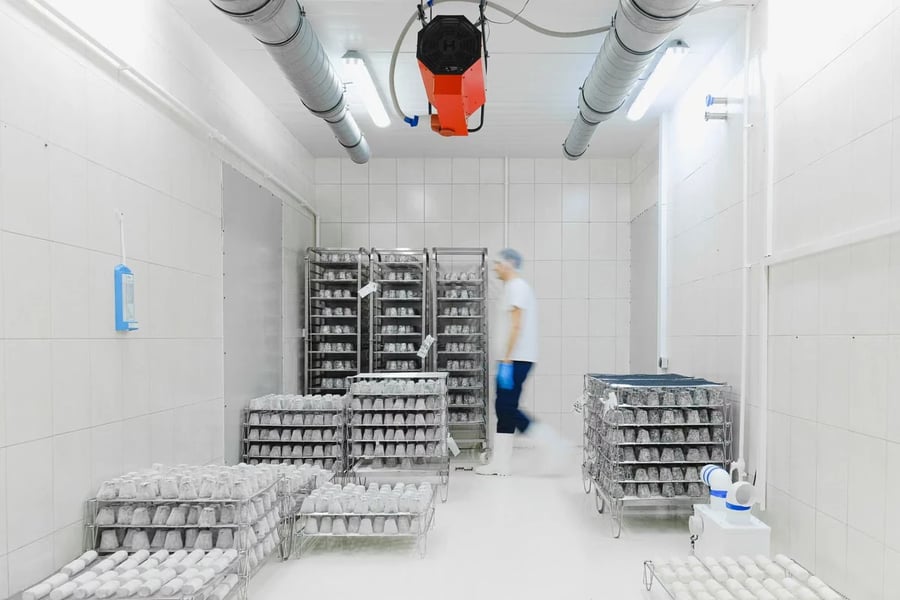
Remote monitoring protects premium food inventory by watching temperatures and equipment around the clock, then alerting people the moment a freezer or cooler starts drifting out of range, long before a thaw ruins product. For travelers who seek out wild salmon, aged cheese, or specialty cured meats, that early warning is a large part of why those foods taste the way they should when they reach a market or restaurant. Cold storage facilities that pair sensor data with fast response keep high-value food safe, saleable, and true to its origin.
Why Premium Food Is So Sensitive to Temperature
Specialty foods often travel farther and sit in storage longer than everyday groceries. A wheel of alpine cheese, a case of line-caught tuna, or a shipment of heritage pork may pass through several cold rooms before anyone eats it. Each handoff adds a chance for temperature abuse.
The U.S. Food and Drug Administration's guidance on buying frozen and fresh seafood warns that frozen seafood can spoil if it thaws during transport and sits too long at warm temperatures. The same guidance tells shoppers to avoid packages showing frost or ice crystals, a common sign that product thawed and refroze somewhere along the way.
What a temperature excursion does
A temperature excursion is any period when food sits outside its safe or ideal range. The damage depends on the product:
Seafood: Partial thawing and refreezing breaks down texture and can create food safety risks.
Cheese and dairy: Warm spells encourage unwanted mold growth and change moisture balance.
Specialty meats: Fluctuating temperatures cause freezer burn, discoloration, and drip loss.
Frozen desserts and pastries: Small thaw-refreeze cycles create ice crystals that ruin mouthfeel.
How Remote Monitoring Works Inside a Cold Storage Facility
Modern cold storage facilities place sensors throughout their refrigeration systems and storage rooms. These devices track room temperature, equipment pressures, power draw, and other conditions, then send readings to software that people can check from anywhere.
In facility operations, this work sits within industrial asset management, the coordinated practice of keeping compressors, evaporators, condensers, and other equipment productive across their full lifecycle. Food quality depends on those machines running well every hour of every day. Watching them remotely turns equipment health into an early indicator of product health.
The Cold Chain Connection to Global Food Loss
Cold storage is one link in a longer cold chain that includes farms, packing houses, trucks, ships, and retail cases. UNEP and FAO's report on sustainable food cold chains estimates that 14 percent of all food produced for human consumption is lost. The same report notes that the food cold chain accounts for 4 percent of global greenhouse gas emissions, so wasted food also means wasted energy.
Failure point | Typical effect on premium food | How remote monitoring helps |
|---|---|---|
--- | --- | --- |
Compressor or motor trip overnight | Room temperature climbs for hours before anyone notices | Immediate alert lets a technician restart or reroute cooling |
Door left open or seal damaged | Warm, humid air enters and frost builds on product and coils | Rising room temperature and coil frosting trends flag the issue |
|---|---|---|
Gradual equipment wear | Slow loss of cooling capacity and uneven temperatures | Trend data reveals declining performance before failure |
Power disruption | Whole-facility temperature rise | Alerts trigger backup plans and inventory triage |
Defrost cycle problems | Ice buildup reduces airflow and creates warm spots | Abnormal defrost timing or coil temperatures surface early |
|---|---|---|
What Separates Strong Monitoring From Weak Monitoring
Alarms that people trust
Equipment data alongside room data
Consistency across sites
What This Means for People Who Love Great Food
Travelers rarely think about refrigerated warehouses while enjoying oysters on a coastal pier or a cheese plate in a mountain village. Yet the condition of those foods depends on many people and machines doing their jobs out of sight. Remote monitoring gives those people better information and more time to act.
The Bottom Line
Premium food earns its price through careful production, and it keeps its value through careful storage. Remote monitoring of temperatures and refrigeration equipment helps cold storage facilities catch problems early, protect high-value inventory, and reduce the food loss that UNEP, FAO, and the EPA have documented at a global and national scale. For anyone who travels to taste, that unseen work is part of every memorable meal.
Copyright © 2026 California Business Journal. All Rights Reserved.
For California Business Journal Disclaimers, go to https://calbizjournal.com/terms-conditions/.


