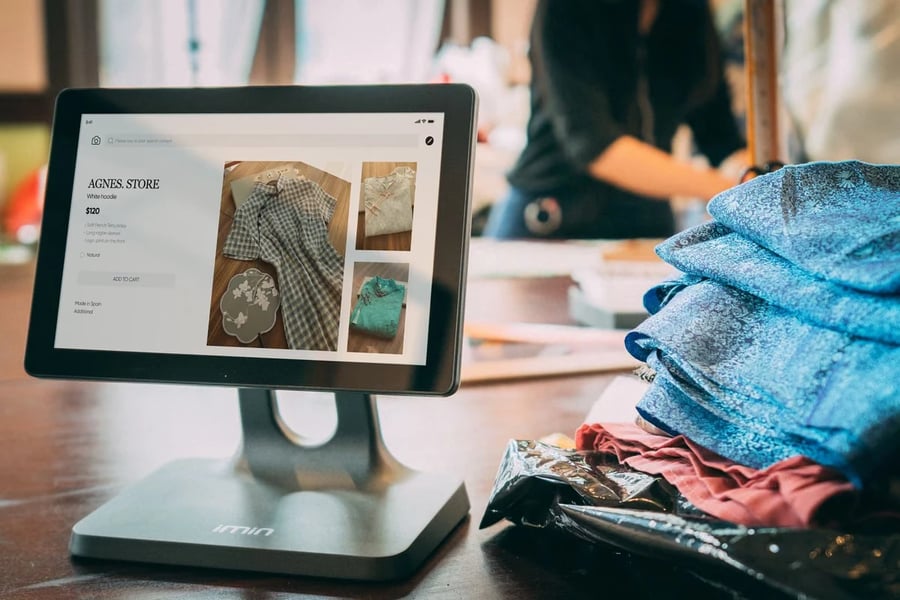
Independent online retailers can't beat the biggest marketplaces on scale, but they don't have to. They win by doing the things large platforms do poorly: curating a focused range, knowing a specific market deeply, offering human customer service, owning their customer relationships and building trust through clear policies. A smaller store that knows exactly who it serves can turn those strengths into loyalty that discount-driven marketplaces struggle to match.
Size is an advantage. So is focus.
Why Marketplaces Seem Unbeatable
Large marketplaces have obvious strengths:
Huge product selection
Fast, often free shipping
Strong brand recognition
Massive advertising budgets
Built-in customer trust
Competing head-on with these advantages rarely works. Smart independents pick different battles.
Where Independents Have the Edge
Advantage | Marketplace weakness | How independents use it |
|---|---|---|
Curation | Endless, confusing choice | Fewer, better-chosen products |
Market focus | One-size-fits-all approach | Local language, currency and delivery |
Customer service | Automated, impersonal support | Real people who solve problems |
|---|---|---|
Customer data | Platform keeps the relationship | Direct email lists and repeat buyers |
Brand personality | Generic shopping experience | A clear voice and story |
Flexibility | Slow policy changes | Quick reaction to customer feedback |
|---|---|---|
The goal isn't to look like a smaller marketplace. It's to offer something different.
Know Your Market Better Than Anyone
Many successful independent retailers serve one country or region well rather than trying to sell everywhere. An independent online shop such as pandaloo.ch, which focuses on Swiss customers across electronics, fitness, household, garden and toys, shows how a clear market focus helps. Local language, familiar payment options, delivery times that customers can rely on and products suited to local needs all build confidence.
For California businesses, the same principle applies. A store that understands regional climate, lifestyle or community needs can offer more relevant products than a national platform.
Curate Instead of Copying
Trying to stock everything leads to thin margins and inventory headaches. Instead:
Choose categories you understand well.
Remove slow-moving products regularly.
Highlight bundles and practical combinations.
Write helpful product descriptions instead of copying supplier text.
Explain why each product earned its place.
Shoppers value guidance, especially when marketplaces bury them in options.
Own the Customer Relationship
On a marketplace, the platform owns the customer. On your own site, you do. That makes a big difference:
Email lists let you reach buyers without paying for every visit.
Purchase history helps personalize recommendations.
Loyalty programs reward repeat customers.
Direct feedback shows what to improve.
Reviews on your own site build lasting credibility.
Repeat customers are usually far cheaper to keep than new ones are to acquire.
Make Service a Selling Point
Independent stores can respond faster and more personally than large platforms:
Answer questions quickly by email or chat.
Make returns simple and clearly explained.
Keep customers updated on delivery.
Fix problems generously when something goes wrong.
Follow up after purchase to check satisfaction.
One great service experience often leads to repeat business and referrals.
Use Support That's Already Available
Small retailers don't have to figure everything out alone. The U.S. Small Business Administration offers resources on financing, planning, marketing and growing an online business, along with access to local mentoring programs. Free guidance like this can help independent stores make smarter decisions early.
Market Smarter, Not Louder
Big platforms dominate paid advertising, so independents often do better with:
Search engine optimization for specific product and local terms
Helpful content such as buying guides and how-to articles
Email newsletters with useful offers
Partnerships with local creators and businesses
Community involvement that builds name recognition
These channels take longer to build but cost less over time.
Common Mistakes to Avoid
Independent retailers often:
Compete only on price
Stock too many unrelated products
Copy marketplace product descriptions
Ignore email and repeat customers
Hide shipping costs until checkout
Treat customer service as a cost instead of an advantage
Smaller Can Mean Stronger
Marketplaces will keep growing, but there's still plenty of room for independent stores that offer focus, trust and personal service.
Retailers who know their customers, curate carefully and build direct relationships are not just surviving next to the giants. They're giving shoppers a reason to choose them on purpose.
Copyright © 2026 California Business Journal. All Rights Reserved.
For California Business Journal Disclaimers, go to https://calbizjournal.com/terms-conditions/.


