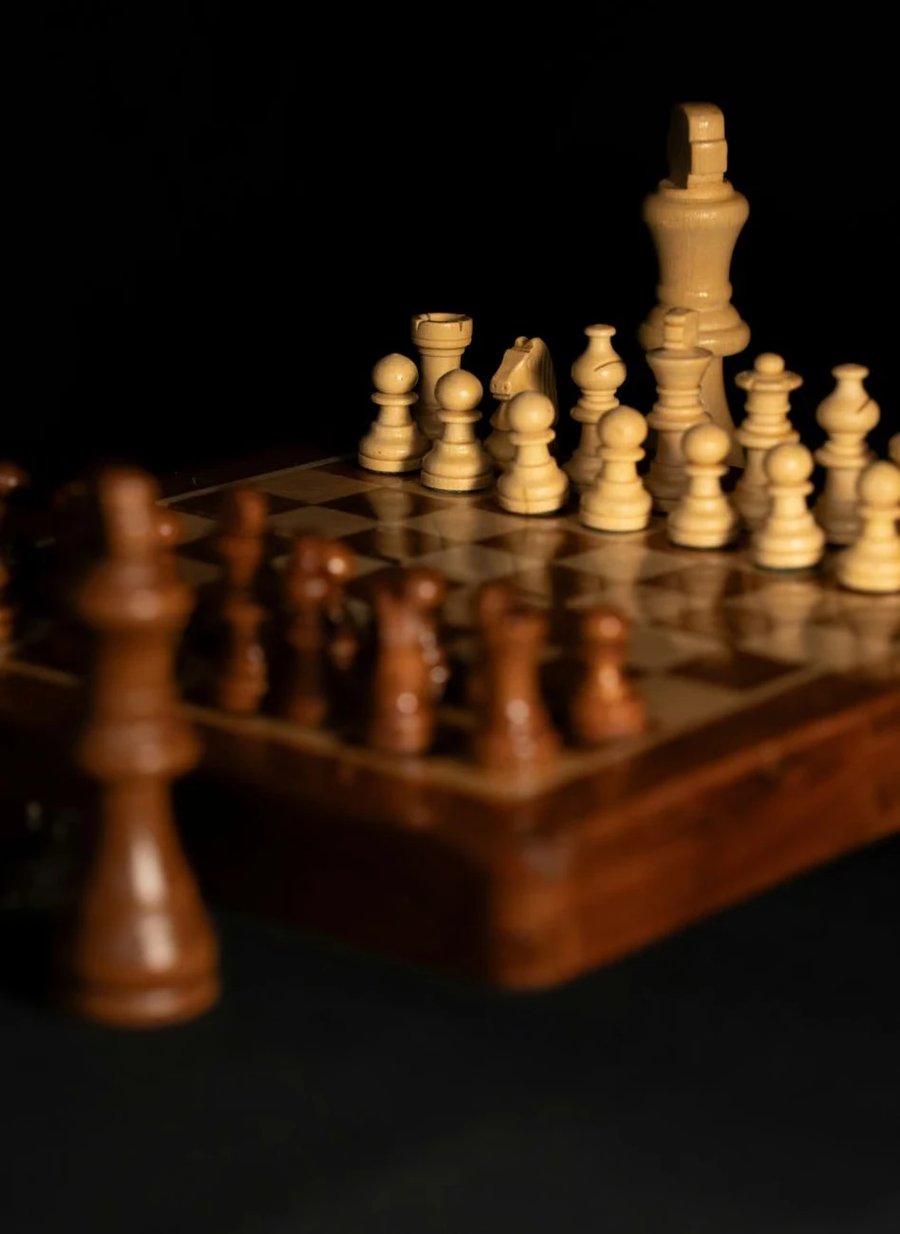
Standing in a chess shop trying to pick a gift for someone whose actual skill level you're only guessing at is its own special kind of stressful. Buy something too basic and it feels like an afterthought. Buy something built to world championship chess set specifications and it might sit in a closet because the recipient has no idea what to do with equipment meant for tournament play. The trick isn't finding the "best" set in some abstract sense — it's matching the set to the person who's actually going to use it.
Start With Who's Actually Playing
The single biggest mistake gift-givers make is shopping for the game instead of the person. A total beginner doesn't need a weighted, regulation-proportioned set any more than a serious club player wants a flimsy plastic board that wobbles mid-game.
Recipient | What Actually Matters | Rough Budget |
|---|---|---|
Complete beginner | Clear, simple piece shapes; forgiving on damage | Low |
Casual home player | Comfortable weight, decent looks, durability | Mid |
Club or tournament player | Regulation proportions, correct weighting | Mid to high |
|---|---|---|
Collector or display buyer | Craftsmanship and materials over playability | High |
A parent buying for a kid just learning the rules is solving a completely different problem than someone buying for a spouse who's been grinding rated games online for years. Browsing chess sets for sale without first figuring out which of those categories the recipient actually falls into is how most mismatched gifts happen, and it's also why chess set price alone is such a poor way to judge whether a gift will actually land well.
Once you know roughly where someone sits on that spectrum, the next question is whether they'd even want to buy chess pieces themselves if left to it — some players are picky enough about their equipment that a gift card to a trusted chess store beats guessing entirely.
Matching the Set to the Occasion
A birthday gift for a kid who just learned how the knight moves calls for something completely different than a retirement gift for someone who's played competitively their whole life. Occasion matters almost as much as skill level, since a set given to mark a milestone often gets treated as a keepsake rather than daily equipment, which changes what actually matters about it.
Occasion matters here too. A modest gift for a casual player doesn't need to compete with what a serious collector might spend on a single set, and there's no reason to feel like a cheaper set is a lesser gift as long as it actually fits the person receiving it.
Picking the right chess sets as a gift really comes down to that same instinct — choosing ones built well enough to last, but matched honestly to how the people receiving them actually play, rather than picked for how impressive they look unwrapped.
Material and Weight Actually Matter for a Gift
Wood holds up better than plastic for anyone likely to use a set regularly, but that durability comes with a learning curve of its own — a genuinely professional chess set feels noticeably heavier in hand than a beginner board, and that weight can actually intimidate someone who's never played on anything but a phone app before.
For someone stepping up from casual play into more serious study, pairing a well-made set with a board built to real proportions makes a bigger difference than most gift-givers expect. Comparing a few chess boards for sale side by side, rather than grabbing whatever's most visible in a display, usually turns up options that fit both the recipient's skill level and the occasion a lot better.
That instinct matters more than brand names or price tags. A set that gets used every week beats a more expensive one that ends up as a shelf decoration nobody touches.
Common Gift-Giving Mistakes
A few habits separate a gift that actually gets used from one that quietly disappears into a closet:
Assuming heavier and more "official" always means better, when a beginner often finds a full tournament chess set intimidating rather than impressive
Ignoring storage — a set with nowhere to live long-term often ends up half-lost within a few months
Skipping the board entirely and gifting pieces alone, planning to buy chess boards separately later, which leaves a mismatched set the recipient has to solve on their own
Forgetting that a chess table set works well for someone who wants a permanent setup, but badly for someone with limited space
Making the Choice With Confidence
None of this needs to be complicated once the recipient's actual habits are the starting point rather than a guess. According to the official FIDE rules and regulations, tournament-standard equipment follows strict proportional guidelines for a reason — consistency matters once someone's playing seriously — but that same strictness is exactly why it's the wrong gift for someone who just wants to learn the rules with family over a weekend.
Chess pieces for sale from a specialty maker versus a mass-produced set aren't really competing for the same buyer, and understanding which one actually fits the person on your gift list is worth more than any single brand recommendation. The best chess gift is rarely the fanciest option in the store — it's the one that matches how someone actually plays, or hopes to.
Copyright © 2026 California Business Journal. All Rights Reserved.
For California Business Journal Disclaimers, go to https://calbizjournal.com/terms-conditions/.


